Struggling with bumpy skin from keratosis pilaris? Discover how gentle exfoliation and nourishing care can help you achieve smoother, healthier skin. Learn practical tips for your daily routine.

The Frustration of Uneven Skin Texture: Understanding Keratosis Pilaris
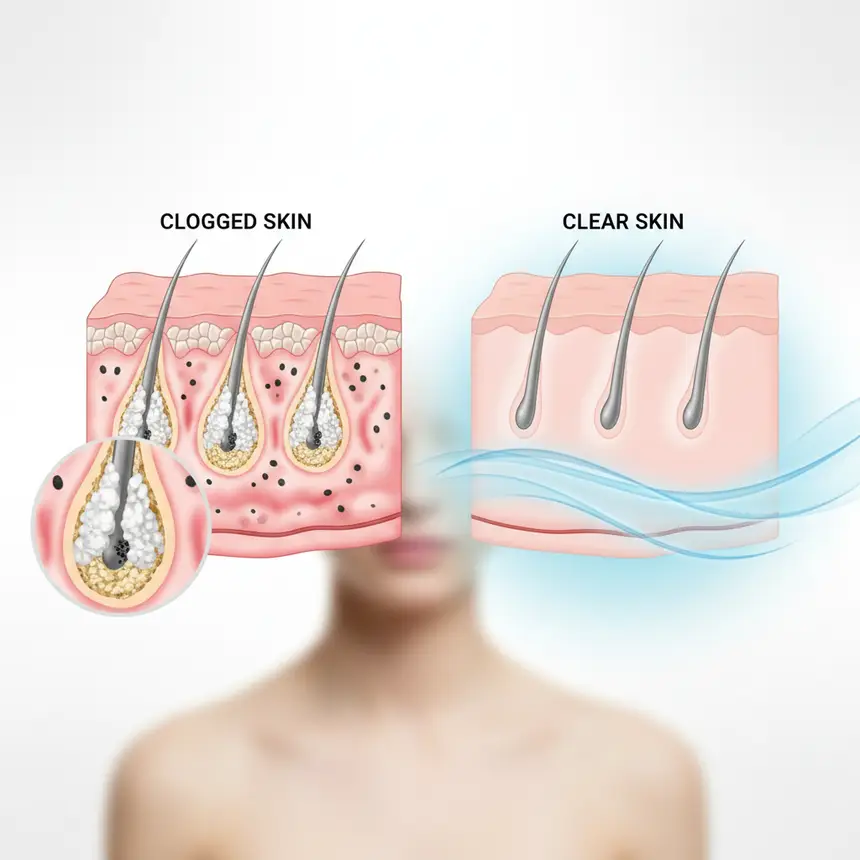
Many individuals experience frustration with rough, bumpy patches on their skin, often on their arms, thighs, or buttocks. This common skin condition, known as keratosis pilaris, occurs when dead skin cells accumulate in the hair follicles, leading to small, raised bumps that can sometimes appear red or feel itchy. It can make wearing certain clothing, especially in warmer weather, a source of self-consciousness, impacting overall comfort and confidence. This skin issue isn't just about dryness; it often surfaces when the skin's natural exfoliation cycle is disrupted.
Unpacking Keratosis Pilaris: Causes and Care Approaches
The Cycle of Skin Cell Turnover and Keratosis Pilaris
Keratosis pilaris is primarily caused by an overproduction of keratin, a protein that forms skin, hair, and nails. Instead of shedding normally, these keratinized cells clog the hair follicles, creating the characteristic small, rough bumps. Factors like genetics, dry skin, and even certain nutritional deficiencies can contribute to its development. The key to managing this condition lies in a balanced approach to exfoliation combined with proper skin soothing and nourishment. Harsh scrubbing or aggressive treatments can damage the skin's natural barrier, potentially worsening the condition, so a gentle touch is essential.
The Role of Skin-Soothing Ingredients
Beyond careful exfoliation, incorporating ingredients known for their calming and restorative properties can significantly aid in skin improvement. Botanical extracts, such as those derived from marine sources, or plant-based proteins, are often rich in antioxidants. These components can help protect the skin from environmental stressors, reduce the appearance of redness, and soothe irritation. Furthermore, they contribute to strengthening the skin's moisture barrier, leading to better overall skin health and resilience. Consistent care is crucial for restoring the skin's natural balance.
Keratosis pilaris is primarily caused by an overproduction of keratin, a protein that forms skin, hair, and nails. Instead of shedding normally, these keratinized cells clog the hair follicles, creating the characteristic small, rough bumps. Factors like genetics, dry skin, and even certain nutritional deficiencies can contribute to its development. The key to managing this condition lies in a balanced approach to exfoliation combined with proper skin soothing and nourishment. Harsh scrubbing or aggressive treatments can damage the skin's natural barrier, potentially worsening the condition, so a gentle touch is essential.
The Role of Skin-Soothing Ingredients
Beyond careful exfoliation, incorporating ingredients known for their calming and restorative properties can significantly aid in skin improvement. Botanical extracts, such as those derived from marine sources, or plant-based proteins, are often rich in antioxidants. These components can help protect the skin from environmental stressors, reduce the appearance of redness, and soothe irritation. Furthermore, they contribute to strengthening the skin's moisture barrier, leading to better overall skin health and resilience. Consistent care is crucial for restoring the skin's natural balance.
※ This post contains affiliate links. I may earn a commission at no extra cost to you.

Crafting Your Daily Routine for Smoother Skin
Practicing Gentle and Effective Exfoliation
To achieve and maintain smoother skin, establishing a consistent body care routine is paramount. First, aim to exfoliate your skin 2-3 times a week using a body scrub with fine, gentle particles. When applying, use soft, circular motions, paying extra attention to areas most affected by keratosis pilaris. Avoid aggressive scrubbing, which can irritate the skin. Rinse thoroughly with lukewarm water afterward to ensure no residue remains.
Hydrating and Soothing After Exfoliation
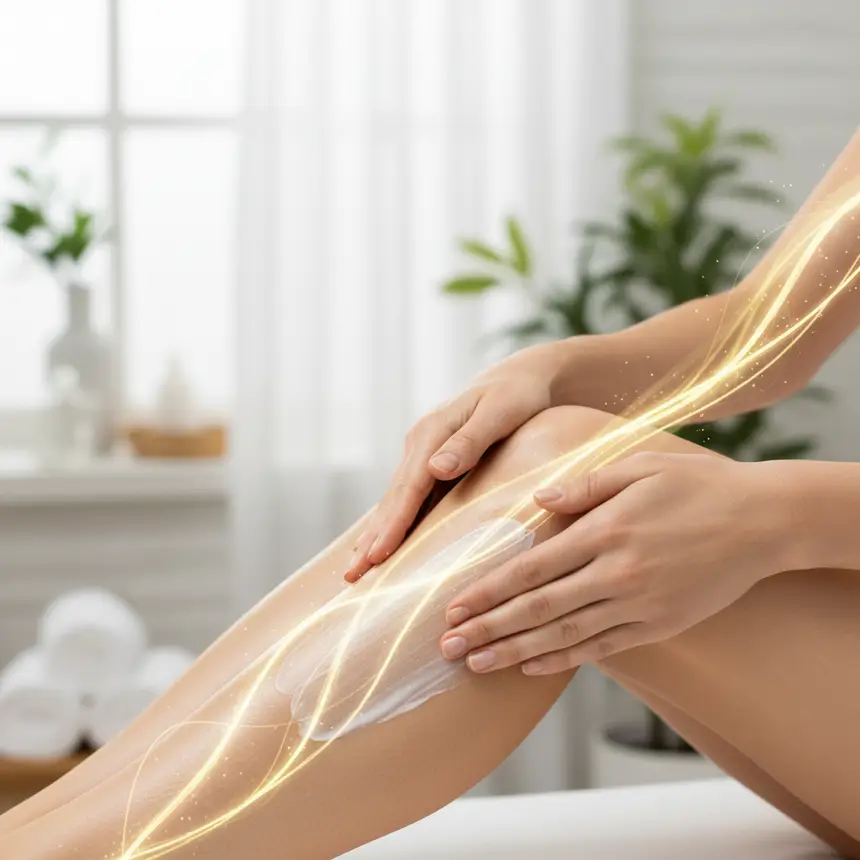
Post-exfoliation, skin can be more susceptible to dryness and sensitivity, making hydration a crucial step. Immediately after showering, while your skin is still slightly damp, generously apply a body lotion or oil rich in moisturizing and soothing ingredients like aloe vera extract, hyaluronic acid, or ceramides. This helps lock in moisture and calm the skin. Consistent application of these steps will gradually transform your skin's texture, making it feel softer and appear smoother. Remember, skin improvement is a journey, not an overnight fix; patience and regularity are key.
To achieve and maintain smoother skin, establishing a consistent body care routine is paramount. First, aim to exfoliate your skin 2-3 times a week using a body scrub with fine, gentle particles. When applying, use soft, circular motions, paying extra attention to areas most affected by keratosis pilaris. Avoid aggressive scrubbing, which can irritate the skin. Rinse thoroughly with lukewarm water afterward to ensure no residue remains.
Hydrating and Soothing After Exfoliation
Post-exfoliation, skin can be more susceptible to dryness and sensitivity, making hydration a crucial step. Immediately after showering, while your skin is still slightly damp, generously apply a body lotion or oil rich in moisturizing and soothing ingredients like aloe vera extract, hyaluronic acid, or ceramides. This helps lock in moisture and calm the skin. Consistent application of these steps will gradually transform your skin's texture, making it feel softer and appear smoother. Remember, skin improvement is a journey, not an overnight fix; patience and regularity are key.
Frequently Asked Questions
Q. Why does keratosis pilaris primarily appear on arms and legs?
A. Keratosis pilaris commonly occurs on areas with fewer oil glands and where skin tends to be drier, such as the outer arms, thighs, and buttocks. These areas are also prone to friction, which can exacerbate the condition by promoting keratin buildup around hair follicles.
Q. Is it okay to exfoliate every day for keratosis pilaris?
A. Daily exfoliation can be too harsh and may disrupt your skin's natural barrier, leading to irritation and worsening the condition. It's generally recommended to exfoliate 1-3 times per week, adjusting the frequency based on your skin's individual sensitivity and response.
Q. Can diet help with managing keratosis pilaris?
A. While there isn't a direct dietary cure, consuming a diet rich in skin-supporting nutrients can contribute to overall skin health. Foods high in vitamins A, C, E, and Omega-3 fatty acids can support skin cell regeneration and provide antioxidant benefits, which may indirectly help manage the condition.
Q. What if home care doesn't improve my keratosis pilaris?
A. If consistent home care routines do not yield significant improvement, it is advisable to consult a dermatologist or skin care professional. They can offer personalized advice and explore more specialized treatment options tailored to your specific skin condition.