Master high blood pressure management! Understand this silent threat and discover practical strategies for effective blood pressure control through healthy eating, regular exercise, and stress management. Uncover the secrets to protecting your heart and brain health.

The Silent Alarm: Understanding Your Body's Subtle Warnings
That lingering fatigue or a fleeting headache you occasionally feel? These minor sensations might be important signals from your body. The surprise and concern upon a routine check-up revealing unexpected elevated blood pressure can be profound. High blood pressure, often called "the silent killer," progresses without obvious symptoms, gradually eroding our well-being like a slow-burning fire. Many overlook its subtle onset, yet understanding and implementing effective high blood pressure management strategies is a fundamental step not just in lowering numbers, but in profoundly transforming our overall quality of life. Let's explore how we can wisely address this hidden threat and chart a course toward a healthier future.
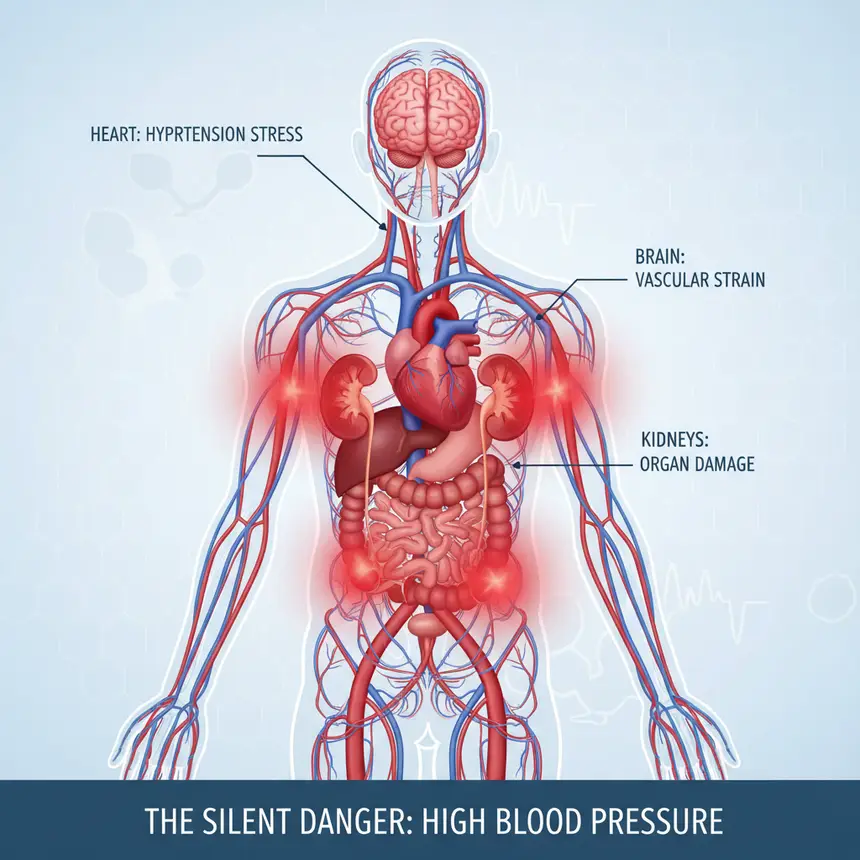
Beyond the Numbers: The Complex Risks of High Blood Pressure
High blood pressure isn't merely about a high reading on a monitor. Defined as a sustained systolic pressure of 140 mmHg or higher, or a diastolic pressure of 90 mmHg or higher, this condition exerts constant pressure on your entire vascular system, leading to various complications. Over time, chronic high pressure damages and stiffens arterial walls, impeding blood flow and severely impacting vital organs like the heart, brain, kidneys, and eyes. Critically, high blood pressure is one of the most potent risk factors for cardiovascular and cerebrovascular diseases, including strokes and heart attacks. These conditions can drastically diminish quality of life, cause permanent disability, or in severe cases, be life-threatening. Therefore, we must view high blood pressure not just as an elevated number, but as a crucial indicator dictating our future health and requiring diligent, comprehensive management.
※ This post contains affiliate links. I may earn a commission at no extra cost to you.


Core Strategies for Healthy Blood Pressure Management
Effectively confronting the silent threat of high blood pressure necessitates proactive management through significant lifestyle adjustments. Here are various high blood pressure management methods you can integrate into your daily life:
- Balanced Dietary Choices: Reduce sodium intake while increasing potassium, magnesium, and calcium-rich foods. Focus on fresh vegetables, fruits, whole grains, lean proteins, and low-fat dairy. Season meals with herbs instead of salt, and incorporate nuts as healthy snacks.
- Regular Physical Activity: Aim for at least 150 minutes of moderate-intensity aerobic exercise (like brisk walking, jogging) and two or more strength training sessions per week. Consistent activity improves circulation, aids weight control, and reduces stress, stabilizing blood pressure.
- Stress Management and Adequate Rest: Chronic stress is a significant contributor to elevated blood pressure. Discover and practice your own stress-reduction techniques, such as meditation or yoga, and ensure 7-8 hours of quality sleep each night.

Sustainable Habits: A Practical Guide to Implementation
Managing high blood pressure demands consistent, long-term commitment. Here are some concrete guidelines for effectively implementing high blood pressure management methods into your routine:
1. Food Journaling and Gradual Changes: Keep a food journal for a week to assess your eating habits and identify areas to reduce unnecessary sodium or sugar. Instead of drastic changes, make one healthy choice daily, gradually building new habits.
2. Exercise Planning and Environment: Schedule daily or weekly exercise times and mark them on a calendar. Prepare workout clothes, do bodyweight exercises at home, or walk a stop or two from your commute to boost adherence.
3. Regular Blood Pressure Monitoring: Invest in a home monitor and measure/record your blood pressure at the same time daily. These readings help track changes and provide valuable data for healthcare discussions.
4. Periodic Professional Consultations: Regular consultations with medical professionals are vital for setting goals, refining plans, and discussing medication if needed. Personalized advice tailored to your health is the most effective approach.
1. Food Journaling and Gradual Changes: Keep a food journal for a week to assess your eating habits and identify areas to reduce unnecessary sodium or sugar. Instead of drastic changes, make one healthy choice daily, gradually building new habits.
2. Exercise Planning and Environment: Schedule daily or weekly exercise times and mark them on a calendar. Prepare workout clothes, do bodyweight exercises at home, or walk a stop or two from your commute to boost adherence.
3. Regular Blood Pressure Monitoring: Invest in a home monitor and measure/record your blood pressure at the same time daily. These readings help track changes and provide valuable data for healthcare discussions.
4. Periodic Professional Consultations: Regular consultations with medical professionals are vital for setting goals, refining plans, and discussing medication if needed. Personalized advice tailored to your health is the most effective approach.

Investing in Yourself: The Ultimate Value of Blood Pressure Management
You might have felt dread or overwhelm at the mention of high blood pressure. However, we now understand it's a 'manageable risk' that can be overcome through active high blood pressure management strategies, allowing for a healthier life. The small efforts discussed today—dietary adjustments, regular exercise, stress management, and consistent monitoring—will collectively form the most powerful shield to protect your blood vessels, heart, and brain. There's no need to change everything perfectly right now. The key is to start small, implement one healthy habit at a time, and progressively build towards a healthier lifestyle. We sincerely hope you listen to your body's signals and embrace effective high blood pressure management methods to enjoy a vibrant future. Your health is a priceless asset.
Frequently Asked Questions
Q. How much sodium should I reduce for blood pressure management?
A. The World Health Organization (WHO) recommends consuming less than 2,000 mg of sodium (about 5 grams of salt) per day. It's beneficial to limit processed foods, soups, and stews, and to cook fresh ingredients yourself.
Q. Is it safe to exercise if I've been diagnosed with high blood pressure?
A. Absolutely, but it's generally better to focus on moderate aerobic exercises like walking, jogging, or swimming for at least 30 minutes, 3-5 times a week, rather than strenuous activities. Always consult with a healthcare professional before starting any new exercise regimen to ensure it's appropriate for your condition.
Q. I'm taking blood pressure medication; do I still need to make lifestyle changes?
A. Yes, lifestyle modifications are crucial even when on medication. A healthy diet, regular exercise, and stress management can enhance the medication's effectiveness and help stabilize blood pressure long-term. Combining medication with lifestyle improvements typically yields better results.
Q. What should I be aware of when measuring blood pressure at home?
A. Avoid smoking, caffeine, and vigorous exercise for 30 minutes before measuring. Rest comfortably for 5 minutes before taking the reading. It's helpful to take 2-3 readings at the same time each day and record the average to accurately track changes in your blood pressure.
Q. Are there specific foods that are particularly good for high blood pressure?
A. While no single food acts as a magic bullet, potassium-rich foods like bananas, spinach, and potatoes, along with low-fat dairy products, whole grains, and fatty fish, can positively influence overall blood pressure management. A balanced diet as a whole is most important.