How to prevent and respond to hypothermia, the unwelcome guest of winter? Learn about daily habits to keep your body warm and proper emergency response tips in this article.

The Hidden Threat of Winter: Understanding Hypothermia
As the crisp winds signal the arrival of winter, we often embrace the season's charm, yet an invisible danger lurks: hypothermia. This critical condition occurs when your body's core temperature drops below the healthy range of 97.7°F to 99.5°F (36.5°C to 37.5°C). A healthy body strives to maintain this narrow temperature window, but when it falls below 95°F (35°C), your bodily functions begin to shut down, posing a serious risk to life. Imagine a well-oiled machine suddenly exposed to extreme cold; its gears would seize, and its intricate systems would falter. Similarly, our bodies can lose their ability to function properly, leading to confusion and, in severe cases, unconsciousness. When planning winter outdoor activities, it's crucial to recognize that the cold isn't just uncomfortable; it can be life-threatening. Simple measures like appropriate clothing or a warm beverage can act as vital safeguards.
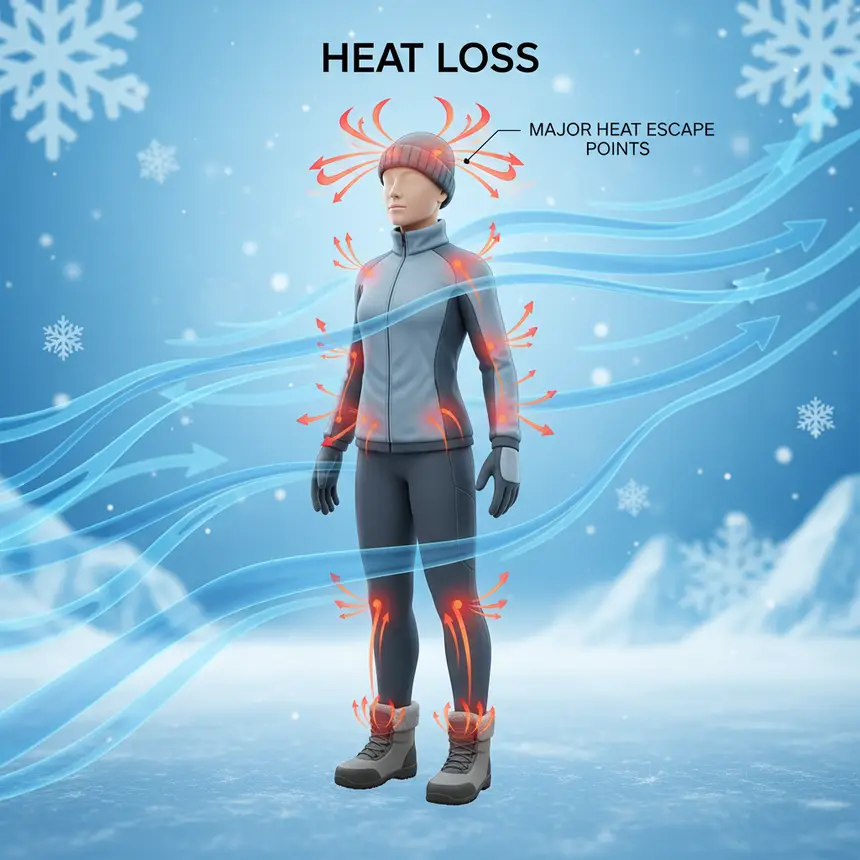
Key Factors Contributing to Body Heat Loss
Understanding the primary causes of heat loss is the first step in preventing hypothermia. Both external environmental elements and internal bodily vulnerabilities play significant roles in this condition.
- Environmental Influences: The most direct culprit is cold air temperature. However, it's not just about how cold it gets; strong winds drastically lower the perceived temperature, accelerating heat loss from exposed skin. Additionally, wet clothing draws heat away from the body much faster than dry fabrics, as water conducts heat more efficiently. Activities in snow, rain, or especially water-based environments demand extra caution.
- Internal Vulnerabilities: Individual health status also heavily influences susceptibility. Insufficient caloric intake means your body lacks the fuel needed to generate heat. Chronic health conditions or certain medications can impair the body's natural thermoregulation system. Young children and the elderly are particularly vulnerable due to less efficient body temperature control. Prioritizing overall health, including a balanced diet and adequate nutrition, is fundamental to maintaining a stable core temperature.
※ This post contains affiliate links. I may earn a commission at no extra cost to you.

Smart Habits for Maintaining Body Warmth
To safeguard your body from the dangers of hypothermia, it's vital to adopt practical preventive measures and make them part of your routine.
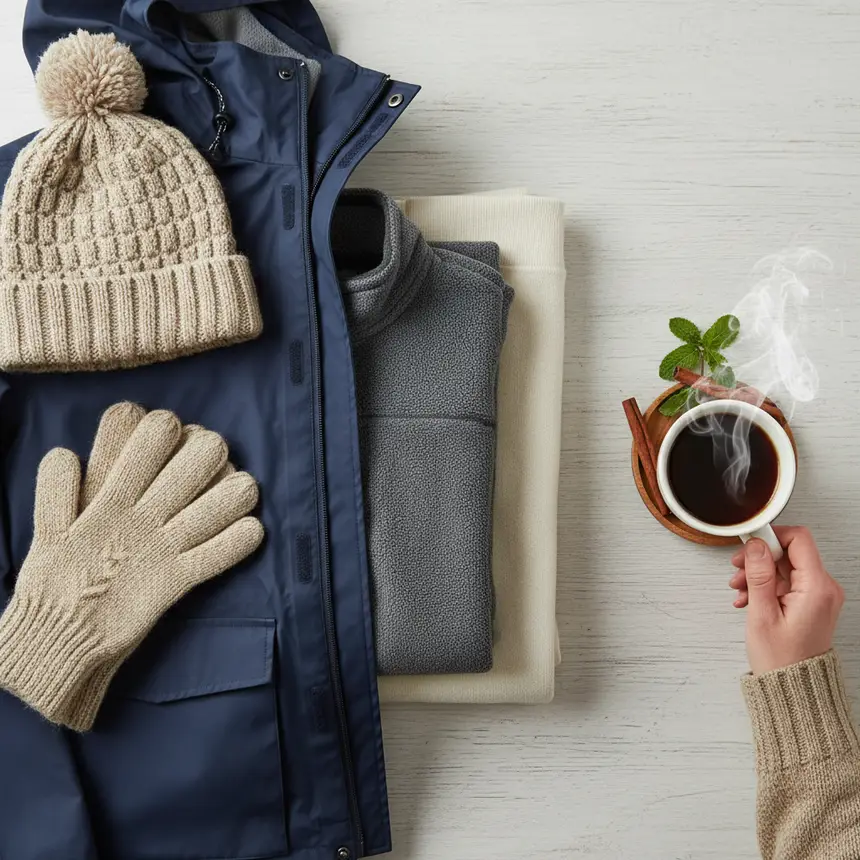
- Effective Layering Techniques: Dressing in multiple layers, a technique known as "layering," is highly effective for maximizing insulation. Thin layers trap air pockets, which act as excellent insulators. Your outermost layer should be waterproof and windproof to shield you from the elements. Don't forget to protect your head, hands, and feet—areas where significant heat loss occurs—by wearing a warm hat, gloves, and thick socks.
- Nourishing Warmth: Adequate nutrition provides your body with the essential fuel needed to produce heat. Consistently consuming warm beverages like tea or broth, along with calorie-dense foods, helps maintain your core temperature. Even a simple warm drink can significantly raise your body temperature when feeling cold. Regular meals and sufficient hydration also boost your metabolism, aiding in internal heat generation.
- Activity Planning and Management: During cold weather, limit prolonged outdoor exposure and take frequent breaks in warm indoor spaces. If outdoor activity is unavoidable, engage in light stretching or regular movement to stimulate blood circulation and generate body heat. Always check the temperature and weather forecast before heading out, and dress accordingly as a proactive habit.
Recognizing Warning Signs and Responding Promptly to Hypothermia
Hypothermia is a serious condition that threatens our body's life-sustaining systems, making accurate symptom recognition and swift intervention critically important.
- Identifying Early Symptoms: Initial signs of hypothermia include uncontrollable shivering, lethargy, slurred speech, and pale or bluish skin. Mental confusion, impaired judgment, and uncoordinated movements can also be significant warning signals. It's crucial to be sensitive to these subtle cues your body sends, much like heeding a flickering warning light.
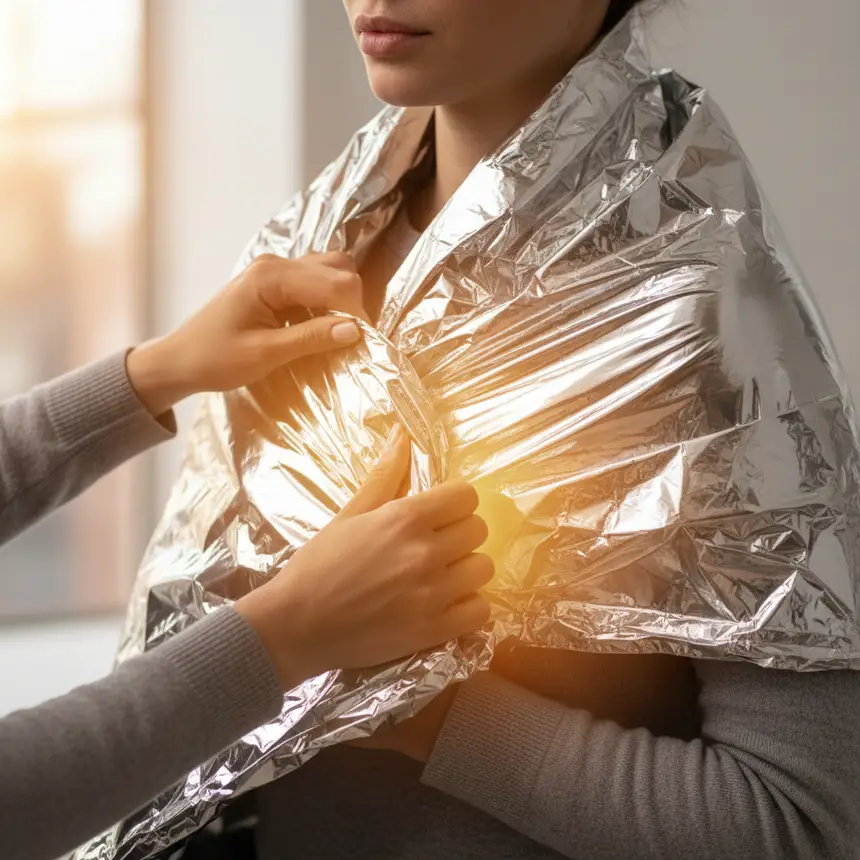
- Emergency Response: If you suspect someone is experiencing hypothermia, immediately move them to a warm, dry, and wind-protected area. Gently remove any wet clothing and replace it with dry blankets or towels. An emergency thermal blanket can also be highly effective. If the person is conscious, offer warm, non-alcoholic beverages to help warm them from the inside. However, if they are unconscious or their condition appears severe, seek immediate professional medical help. Avoid direct application of hot packs or very hot water to the skin, as this can cause burns and further complications.
- Educate and Act: Hypothermia can affect anyone. Share information about its symptoms and first aid with family and friends. Pay extra attention to vulnerable individuals like the elderly or young children in cold environments. Our collective awareness and readiness to act can save precious lives.
Frequently Asked Questions
Q. What body temperature is considered hypothermia?
A. Hypothermia is generally diagnosed when the body's core temperature drops below 95°F (35°C). It's categorized into mild (90-95°F / 32-35°C), moderate (82-90°F / 28-32°C), and severe (below 82°F / 28°C).
Q. What are the early signs of hypothermia?
A. Early signs typically include intense shivering, fatigue, and a feeling of weakness. Slurred speech, stumbling, pale and cold skin are common. Confusion or impaired judgment can also be present.
Q. What should I do if I find someone with hypothermia?
A. First, move the person to a warm, dry, and sheltered location. Remove any wet clothing and cover them with dry blankets or clothing for warmth. If conscious, offer warm drinks. Immediately seek professional medical assistance.
Q. Why are children and the elderly more susceptible to hypothermia?
A. Children have a larger surface area relative to their body mass, leading to faster heat loss, and their thermoregulation systems are less developed. The elderly often have slower metabolisms, reduced heat production, and may not perceive cold as readily, making them more vulnerable.
Q. What specific precautions should be taken to prevent hypothermia during winter hiking?
A. When winter hiking, always wear multiple layers of waterproof/windproof clothing, including a hat, gloves, and thermal socks. Carry sufficient food and warm beverages, and pack extra dry clothes and an emergency blanket for unexpected weather changes.