Struggling with persistent digestive discomfort? Discover key principles and actionable lifestyle habits to restore comfortable and energetic living through a healthy gut.

When Gut Woes Weigh You Down: Understanding the Impact
Do you often feel bloated, gassy, or generally uncomfortable after meals? Have you experienced embarrassing moments due to unpredictable bowel movements? While many dismiss digestive issues as minor inconveniences, persistent symptoms can significantly undermine your overall health and vitality. It's more than just an upset stomach; poor gut health can contribute to reduced concentration, mood swings, and chronic fatigue. If you aspire to a more energetic and vibrant life, it's time to pay close attention to your digestive system, a crucial part of your body, and initiate healthy changes.
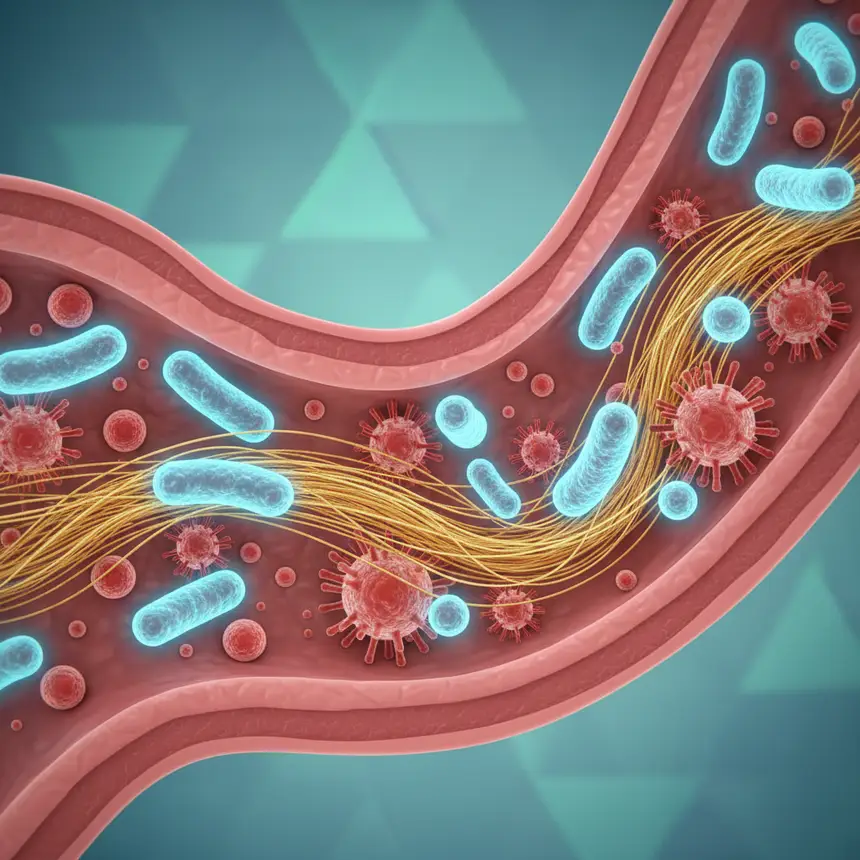
Your Gut: The Hidden Powerhouse of Overall Health
The Microscopic World Within: Your Gut Microbiome
Your gut's role extends far beyond merely digesting food and absorbing nutrients. A significant portion of your immune system resides in your gut, and it actively participates in producing neurotransmitters like serotonin, which plays a key role in mood regulation and stress response. Essentially, your gut isn't just a digestive organ; it's a central command center influencing your immunity, mental well-being, and energy levels. It hosts trillions of microorganisms, and when the delicate balance between beneficial and harmful bacteria is disrupted, it can lead to various problems, including digestive upset, compromised immunity, and mood disturbances.
Modern Habits Undermining Your Digestive Harmony
Unfortunately, contemporary lifestyles are often detrimental to this crucial gut microbiome balance. A diet heavy in processed foods, refined carbohydrates, and excessive sugars – common choices in our busy lives – creates an environment where harmful bacteria can thrive. Furthermore, chronic stress, irregular sleep patterns, and insufficient hydration hinder gut motility and make it difficult for beneficial bacteria to survive. These factors, working in concert, can disturb your gut's microbial ecosystem, triggering not only digestive symptoms but also raising red flags for your overall health.
Your gut's role extends far beyond merely digesting food and absorbing nutrients. A significant portion of your immune system resides in your gut, and it actively participates in producing neurotransmitters like serotonin, which plays a key role in mood regulation and stress response. Essentially, your gut isn't just a digestive organ; it's a central command center influencing your immunity, mental well-being, and energy levels. It hosts trillions of microorganisms, and when the delicate balance between beneficial and harmful bacteria is disrupted, it can lead to various problems, including digestive upset, compromised immunity, and mood disturbances.
Modern Habits Undermining Your Digestive Harmony
Unfortunately, contemporary lifestyles are often detrimental to this crucial gut microbiome balance. A diet heavy in processed foods, refined carbohydrates, and excessive sugars – common choices in our busy lives – creates an environment where harmful bacteria can thrive. Furthermore, chronic stress, irregular sleep patterns, and insufficient hydration hinder gut motility and make it difficult for beneficial bacteria to survive. These factors, working in concert, can disturb your gut's microbial ecosystem, triggering not only digestive symptoms but also raising red flags for your overall health.
※ This post contains affiliate links. I may earn a commission at no extra cost to you.


Cultivating a Healthy Gut: Smart Choices for Daily Living
Nourish Your Gut Through Thoughtful Eating
Revitalizing your gut health begins with mindful dietary choices. Just as the saying goes, 'you are what you eat,' your gut's microbial ecosystem is profoundly shaped by what you consume.
Sustainable Habits for Long-Term Gut Wellness
Beyond diet, broader lifestyle adjustments are equally vital for optimal gut health.
Nurturing your gut health is a marathon, not a sprint. Small, consistent changes in your diet and daily habits, starting today, will build a powerful foundation for a vibrant life and comprehensive well-being in the long run. Embark on this journey to create a comfortable and healthy gut.
Revitalizing your gut health begins with mindful dietary choices. Just as the saying goes, 'you are what you eat,' your gut's microbial ecosystem is profoundly shaped by what you consume.
- Feed the Good Guys (Prebiotics): Prioritize fiber-rich fruits and vegetables. Onions, garlic, asparagus, bananas, apples, and whole grains are excellent sources of prebiotics, which nourish beneficial gut bacteria.
- Introduce Good Guys (Probiotics): Regularly include fermented foods like yogurt, kefir, sauerkraut, or kimchi in your diet to replenish your gut with diverse strains of beneficial bacteria.
- Hydration is Key: Aim to drink at least eight glasses of water daily. Proper hydration is fundamental for smooth digestion, helping food move through your system and preventing constipation.
Sustainable Habits for Long-Term Gut Wellness
Beyond diet, broader lifestyle adjustments are equally vital for optimal gut health.
- Manage Stress Effectively: Find and practice stress-reduction techniques that work for you, such as meditation, yoga, or short walks. Chronic stress has a direct negative impact on gut function.
- Regular Physical Activity: Engaging in cardio or light strength training stimulates gut motility and improves blood circulation, contributing positively to digestive health.
- Prioritize Rest: Aim for 7-8 hours of quality sleep each night. Adequate rest aids the recovery and function of all bodily organs, including your gut. Irregular sleep can disrupt the gut microbiome's balance.
Nurturing your gut health is a marathon, not a sprint. Small, consistent changes in your diet and daily habits, starting today, will build a powerful foundation for a vibrant life and comprehensive well-being in the long run. Embark on this journey to create a comfortable and healthy gut.
Frequently Asked Questions
Q. What are the best foods to eat daily for gut health?
A. Focus on a diverse intake of fiber-rich vegetables (onions, garlic, broccoli), fruits (bananas, apples), whole grains, and fermented foods like yogurt or kimchi. Adequate hydration is also crucial.
Q. What's the main difference between probiotics and prebiotics?
A. Probiotics are live, beneficial microorganisms that can be found in fermented foods or supplements. Prebiotics, on the other hand, are non-digestible fibers that act as food for these probiotics, promoting their growth. Consuming both together can create a synergistic effect for gut health.
Q. How does stress negatively affect my digestive system?
A. Stress can disrupt gut motility, reduce beneficial bacteria, and compromise the gut barrier. This can lead to various digestive issues like indigestion, abdominal pain, diarrhea, or constipation, impacting not only gut health but also overall immunity and mood.
Q. How long does it usually take to see improvements in gut health?
A. The timeline for gut health improvement varies widely, but generally, consistent dietary and lifestyle changes can show noticeable results within a few weeks to several months. Persistence is key, as the gut microbiome requires ongoing management.
Q. If I frequently experience bloating, what dietary habits should I avoid?
A. If you experience frequent bloating, consider reducing intake of carbonated drinks, excessive sugars, fried foods, high-fat meals, and certain dairy products if you're lactose intolerant. Also, avoid eating too quickly or overeating. Keeping a food diary can help identify specific triggers for your bloating.