Discover the essential dietary principles for maintaining a healthy heart and strong blood vessels in modern life. Learn about key nutrients and accessible foods to build a foundation for a vibrant life.

The Unseen Workhorse: Why Prioritize Your Heart Health Now
Like a tireless conductor orchestrating a complex symphony, your heart pumps blood to every corner of your body, sustaining life itself. Yet, the demands of modern living can place unforeseen stress on this vital organ. While managing daily responsibilities, health often takes a backseat. However, the health of your heart directly impacts your overall quality of life, making consistent care and attention paramount. Since heart damage can be challenging to reverse, establishing a foundation for a vibrant life through dietary improvements starting today is crucial.

Modern Lifestyle: Undermining Your Cardiovascular System
Our contemporary environment presents numerous challenges to heart and vascular health. Diets rich in processed foods, excessive sodium, and added sugars, combined with sedentary routines, can strain blood vessels. This often leads to elevated blood pressure and an imbalance in cholesterol levels. Furthermore, persistent stress and irregular sleep patterns can overburden the heart, contributing to a decline in overall vascular function. When these factors compound, blood vessels may lose their elasticity, blood flow can become sluggish, and long-term cardiovascular health is negatively impacted.
※ This post contains affiliate links. I may earn a commission at no extra cost to you.

Dietary Cornerstones for Robust Heart and Vascular Health
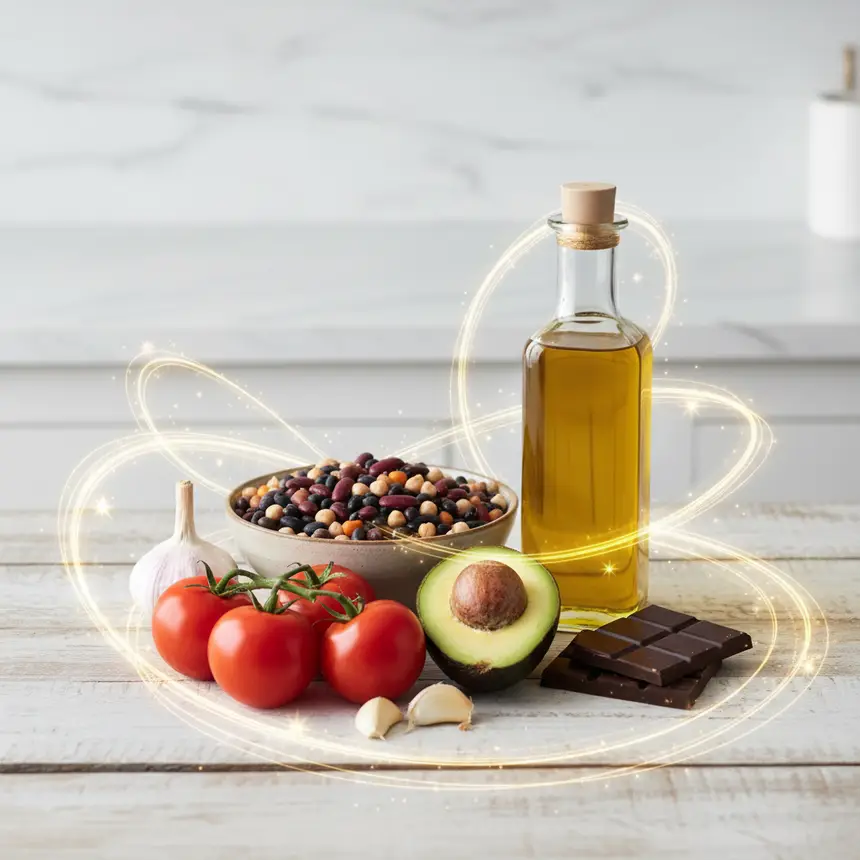
Diet stands as one of the most powerful tools in safeguarding your heart and blood vessel health. A diverse array of natural foods provides crucial nutrients that support circulation and protect your arteries. Foods rich in powerful antioxidants like lycopene, found in red vegetables, help fortify blood vessel walls. Root vegetables packed with allicin contribute to smoother blood flow by inhibiting blood clot formation. Additionally, plant-based oils and certain fruits, abundant in monounsaturated fats, aid in maintaining healthy cholesterol levels and enhancing vascular flexibility. Plant proteins, such as those from legumes, and flavanol-rich foods, can assist with blood pressure regulation and inflammation reduction, while compounds like catechins in green tea offer further vascular protection. Consuming a wide variety of these ingredients ensures a balanced nutrient intake vital for your heart.

Integrating Heart-Healthy Habits into Your Daily Routine
Adopting a heart-healthy diet doesn't require drastic overhauls; it’s about making small, consistent changes that yield significant results. Start your day with whole grains and legumes. For lunch and dinner, opt for meals featuring fresh vegetables cooked with healthy plant-based oils, rich in unsaturated fats. For snacks, choose low-sugar fruits, nuts, or high-cocoa options. When preparing meals, prioritize steaming or baking over deep-frying, and consciously reduce your intake of salt and sugar. Hydrating adequately and incorporating regular light exercise will synergistically enhance your diet, leading to improved circulation and a more energetic daily life.

The Long-Term Rewards of Consistent Cardiovascular Care
The journey to optimal heart health is more akin to a marathon than a sprint. While no single effort offers an instant fix, consistent and diligent practice undeniably brings about remarkable changes. Each healthy food choice you make today, every minor dietary adjustment, collectively builds a stronger heart and more flexible blood vessels over time. Remembering that your daily food choices shape your future health, it’s important to approach this journey with a positive mindset and steadfast commitment. Take that crucial first step towards a vibrant life with a heart-healthy diet.
Frequently Asked Questions
Q. What's the best way to start a heart-healthy diet?
A. Begin by reducing processed foods and high-fat meats. Instead, increase your intake of whole foods like fresh vegetables, fruits, whole grains, legumes, and nuts. Staying well-hydrated is also key.
Q. Which foods are beneficial for managing cholesterol levels?
A. Foods rich in monounsaturated fats, such as olive oil, avocados, and nuts, can help maintain healthy cholesterol levels. Soluble fiber from oats and legumes also plays a beneficial role.
Q. Are there specific foods that help regulate blood pressure?
A. Potassium-rich fruits and vegetables (like bananas, spinach, and avocados) aid in sodium excretion and help stabilize blood pressure. A low-sodium diet and whole grain consumption are also important for blood pressure management.
Q. What foods should I limit for better heart health?
A. It's advisable to limit excessive amounts of processed meats, fried foods, sugary drinks and desserts, and snacks containing trans fats, as these can negatively impact cardiovascular health.