Leaky Gut Syndrome (increased intestinal permeability) might be the root cause of many modern discomforts. Understand its definition and symptoms, and discover effective strategies for managing your gastrointestinal health.

Unraveling Chronic Discomfort: The Link to Gut Health
Many of us experience a range of persistent, uncomfortable symptoms in our modern lives. You might recognize the familiar feeling of bloating or abdominal distension after meals, an inexplicable ongoing fatigue, or unexpected skin breakouts. It’s easy to attribute these issues solely to stress or poor eating habits. However, these seemingly unrelated problems could be deeply connected to the health of our gut, a vital organ system. The concept often referred to as 'leaky gut syndrome' is gaining attention as it sheds light on how subtle changes in our intestinal health can profoundly impact overall well-being, offering a fresh perspective on the root causes of these common discomforts.
Increased Intestinal Permeability: The Core Mechanism Behind Leaky Gut
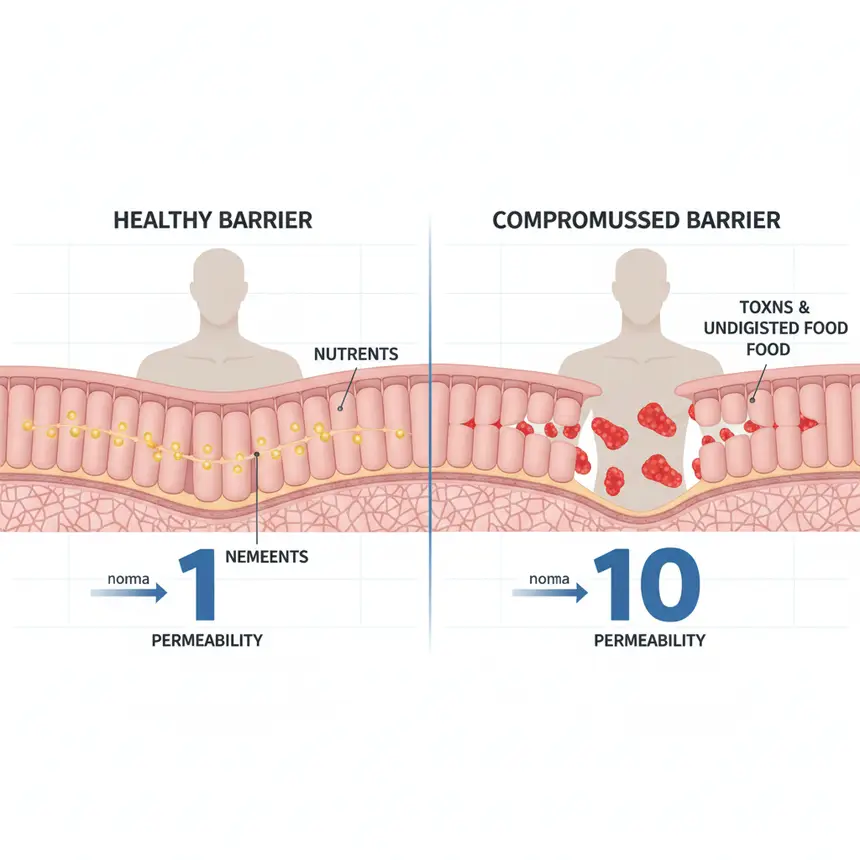
While the term 'leaky gut syndrome' might sound dramatic, its medical counterpart is 'Increased Intestinal Permeability.' Our intestines are designed to act as a sophisticated filter and a robust barrier, allowing essential nutrients to pass through while diligently blocking harmful substances. When this crucial barrier becomes compromised or 'leaky' for various reasons, incompletely digested food particles, toxins, or even microbes can potentially enter the bloodstream. This breakdown in barrier function typically occurs when the proteins that tightly connect gut cells falter. Such impairment isn't just a minor digestive hiccup; it’s a key factor in triggering widespread systemic symptoms and inflammatory responses throughout the body. Therefore, it's more accurate to view 'leaky gut' not as a specific disease, but rather as a state of 'gut environmental imbalance' where the gut's protective capabilities are weakened, thereby impacting overall systemic health.
※ This post contains affiliate links. I may earn a commission at no extra cost to you.

The Far-Reaching Impact of Increased Intestinal Permeability on Your Health
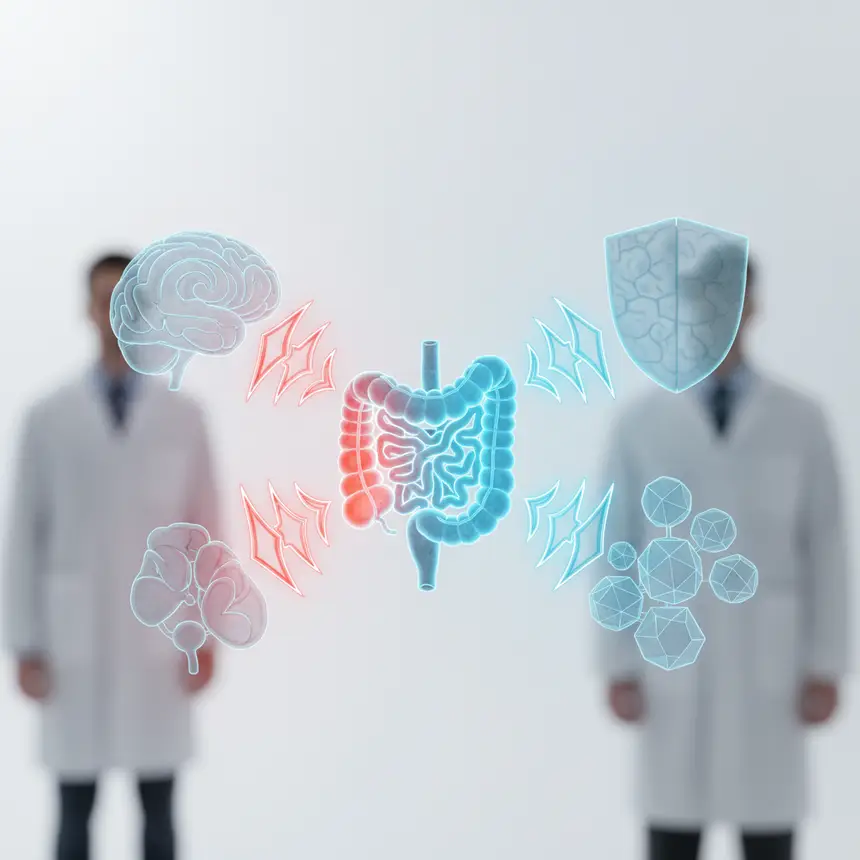
Increased intestinal permeability isn't limited to causing discomfort within your digestive tract; it can have a wide-ranging impact on various systems throughout your body. Most commonly, people experience direct digestive symptoms like chronic indigestion, abdominal bloating, and recurring bouts of diarrhea or constipation. However, the issues extend far beyond this. As previously mentioned, when the gut barrier is compromised, unwanted substances can enter the bloodstream, potentially triggering systemic inflammatory responses. This can manifest as persistent, unexplained fatigue, heightened discomfort after consuming certain foods, and even skin problems or shifts in immune function. Research suggests that damage to the gut barrier can influence the immune system, leading to a general decline in overall vitality. Thus, increased intestinal permeability is recognized as a significant factor affecting our overall energy levels and health, rather than just a simple 'stomach ache' problem.
Smart Management Strategies for Restoring Gut Health
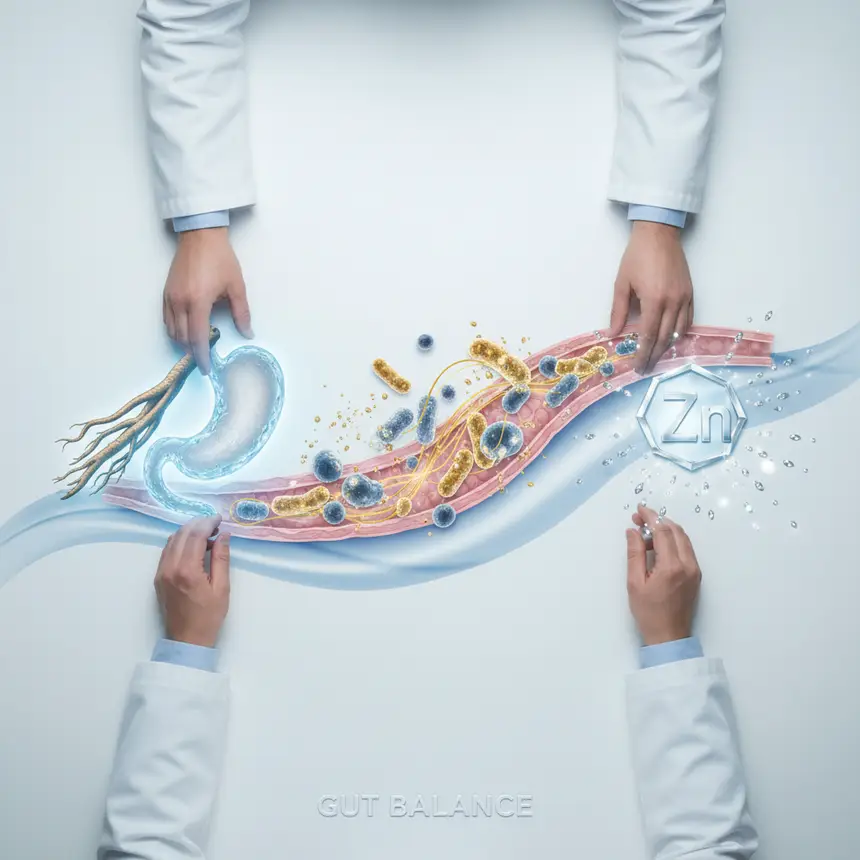
Effective gut health management extends beyond focusing solely on the intestines; it requires an integrated approach that encompasses the entire digestive tract, from the stomach down. This is because irritation of the stomach lining or impaired digestive function can naturally place additional burden on the intestines. Therefore, creating a healthy gut environment necessitates considering several key elements in a balanced manner.### Prioritizing Mucosal Lining Protection
The mucosal lining of our digestive organs is a vital defense mechanism, shielding our body from external irritants. Maintaining the health of this lining is the first step toward gut recovery. For instance, studies have shown that certain plant-derived compounds, such as glycyrrhizinic acid, can help strengthen the stomach lining's defense factors and soothe irritation. This plays an important supportive role in creating an environment where a damaged mucosal lining can avoid further deterioration.### Fostering a Beneficial Gut Microbiome
When discussing gut health, the balance of intestinal microorganisms is an indispensable topic. A diverse array of beneficial bacteria plays a crucial role in maintaining and strengthening the gut lining's barrier function. Consistent intake of these beneficial microbes can help alleviate increased intestinal permeability and promote a healthy gut environment. This represents one of the most fundamental yet essential strategies in gut health management.### Essential Micronutrients for Strengthening the Gut Barrier
Finally, the intake of essential micronutrients vital for the maintenance of gut lining cells and the strengthening of barrier function is also critical. Certain minerals aid in the regeneration of intestinal lining cells and contribute to maintaining the structural integrity of the gut barrier. A deficiency in these minerals can lead to increased intestinal permeability, making it important to ensure adequate intake to create optimal conditions for a damaged gut lining to heal itself.By comprehensively considering these elements, improving dietary habits, and supplementing with necessary nutrients, you can significantly support the recovery and maintenance of your gut health. Remember that gut health is not achieved overnight; it's a journey that requires consistent, intelligent management and patience.
The mucosal lining of our digestive organs is a vital defense mechanism, shielding our body from external irritants. Maintaining the health of this lining is the first step toward gut recovery. For instance, studies have shown that certain plant-derived compounds, such as glycyrrhizinic acid, can help strengthen the stomach lining's defense factors and soothe irritation. This plays an important supportive role in creating an environment where a damaged mucosal lining can avoid further deterioration.### Fostering a Beneficial Gut Microbiome
When discussing gut health, the balance of intestinal microorganisms is an indispensable topic. A diverse array of beneficial bacteria plays a crucial role in maintaining and strengthening the gut lining's barrier function. Consistent intake of these beneficial microbes can help alleviate increased intestinal permeability and promote a healthy gut environment. This represents one of the most fundamental yet essential strategies in gut health management.### Essential Micronutrients for Strengthening the Gut Barrier
Finally, the intake of essential micronutrients vital for the maintenance of gut lining cells and the strengthening of barrier function is also critical. Certain minerals aid in the regeneration of intestinal lining cells and contribute to maintaining the structural integrity of the gut barrier. A deficiency in these minerals can lead to increased intestinal permeability, making it important to ensure adequate intake to create optimal conditions for a damaged gut lining to heal itself.By comprehensively considering these elements, improving dietary habits, and supplementing with necessary nutrients, you can significantly support the recovery and maintenance of your gut health. Remember that gut health is not achieved overnight; it's a journey that requires consistent, intelligent management and patience.
Frequently Asked Questions
Q. What causes leaky gut (increased intestinal permeability)?
A. It occurs when the connections between the cells forming the gut lining become loose. Factors like stress, certain medications, an imbalanced diet, and chronic inflammation can weaken the gut barrier, leading to increased intestinal permeability.
Q. If I suspect I have increased intestinal permeability, what lifestyle changes should I make?
A. It's advisable to reduce consumption of processed foods, excessive sugar, and irritating foods. Instead, focus on eating fiber-rich foods such as vegetables, fruits, and whole grains. Managing stress and regular exercise also positively impact gut health.
Q. What nutrients are beneficial for gut health?
A. Plant-based compounds that support gut lining protection, probiotics that promote the growth of beneficial gut bacteria, and specific trace minerals essential for maintaining gut barrier function can be beneficial for gut health. Consulting with a healthcare professional to create a balanced intake plan tailored to your needs is important.