Learn about arrhythmia symptoms, causes of bradycardia and tachycardia, and practical dietary/lifestyle strategies for a healthy heart. Discover heart-healthy foods to maintain a regular rhythm.

Subtle Shifts in Your Heartbeat: Are You Experiencing Them?
Have you ever felt your heart suddenly skip a beat or flutter, or found yourself unusually breathless climbing a few flights of stairs? Perhaps your smartwatch frequently alerts you to an irregular heart rhythm. These subtle but recurring signals could be crucial warnings from your body's most vital organ – your heart – indicating a change in its natural rhythm. This condition is often referred to as 'arrhythmia.' Whether your heart beats too slowly (bradycardia) or too quickly (tachycardia), these heartbeat irregularities can significantly impact your daily well-being. This article will delve into the primary causes and symptoms of arrhythmia, offering practical strategies and a guide to heart-healthy foods to help maintain a steady, healthy heartbeat.
Unraveling the Complex Factors Behind Heart Rhythm Disturbances
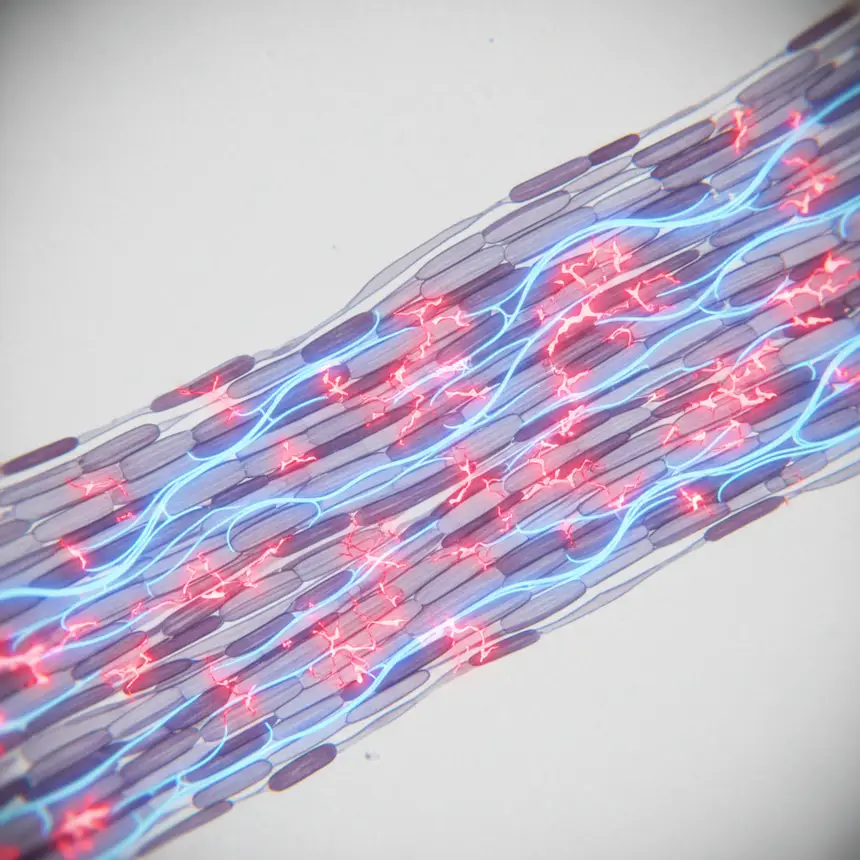
Your heart's consistent rhythm is meticulously regulated by a sophisticated electrical signaling system. When this system malfunctions, your heart rate can deviate from its normal range, leading to arrhythmias like bradycardia or tachycardia. The causes of arrhythmia are diverse, often involving a combination of factors.Firstly, pre-existing heart conditions are a major contributor to arrhythmia. Issues such as coronary artery disease, scar tissue from a previous heart attack, heart failure, or heart valve abnormalities can interfere with the heart's electrical signal pathways, resulting in irregular beats. For instance, damaged heart tissue can either generate abnormal electrical signals or impede the flow of normal ones.Secondly, electrolyte imbalances directly influence heart activity. Minerals like potassium, magnesium, and calcium are essential for heart muscle contraction and relaxation. Rapid changes in their levels—due to vomiting, diarrhea, dehydration, or the use of certain diuretics—can disrupt heart conduction, leading to bradycardia or tachycardia.Thirdly, endocrine disorders, such as thyroid dysfunction, are significant causes. Thyroid hormones regulate the body's metabolic rate; an overactive thyroid (hyperthyroidism) can overstimulate the heart, causing tachycardia, while an underactive thyroid (hypothyroidism) can slow heart activity, leading to bradycardia.Fourthly, certain medications can exacerbate or trigger arrhythmias. Decongestants in cold remedies, excessive caffeine intake, some antidepressants, dosage issues with antiarrhythmic drugs, and even overuse of beta-blockers (a type of blood pressure medication) can affect heart rhythm.Fifthly, lifestyle choices are crucial factors increasing arrhythmia risk. Excessive alcohol consumption, high intake of energy drinks or caffeine, smoking, chronic stress, and lack of sleep can all trigger tachycardia. Conversely, nutritional imbalances or rapid weight loss from extreme dieting can induce bradycardia. Furthermore, sleep apnea, characterized by nocturnal oxygen deprivation, can heighten the risk of irregular arrhythmias like atrial fibrillation.Lastly, aging naturally diminishes the function of the heart's electrical conduction system, increasing the incidence of bradycardia. Additionally, scar tissue formed after heart surgery or catheter procedures can obstruct electrical signal transmission, contributing to arrhythmia.
※ This post contains affiliate links. I may earn a commission at no extra cost to you.


Dietary and Lifestyle Strategies for a Healthier Heart
To maintain a consistent heart rhythm, managing your diet and lifestyle is incredibly important. You need to actively choose heart-friendly options at the dinner table and reduce harmful habits.Heart-Healthy Foods:
Fatty Fish: Aim for fatty fish like salmon, mackerel, and sardines rich in omega-3 fatty acids twice a week. Omega-3s can help stabilize heart rhythm. Opt for baking or steaming over frying to reduce saturated fat intake. It's also wise to avoid heavily salted fish products.
Leafy and Seasonal Vegetables: Consume at least two cups of green leafy vegetables such as spinach and kale, along with various seasonal vegetables daily, to ensure sufficient potassium and folate. However, if you have kidney disease, potassium intake must be discussed with your healthcare provider.
Whole Grains: Whole grains like oats, barley, and brown rice are packed with soluble fiber, which can help regulate blood lipid levels and positively impact heart health.
Legumes and Tofu: Include legumes and tofu in your diet at least three times a week to get quality plant protein and magnesium. These nutrients are vital for maintaining heart function.
Olive Oil and Avocado: When cooking, replace saturated fats with monounsaturated fats found in olive oil and avocados. This is much more beneficial for cardiovascular health.
Adequate Hydration: Dehydration can affect your heartbeat, so it's crucial to drink at least eight glasses of water regularly. After intense exercise, a small amount of an electrolyte drink can be beneficial to maintain electrolyte balance.Foods and Habits to Avoid:
Trans Fats and Excessive Saturated Fats: Fried foods and baked goods containing shortening can increase the risk of cardiovascular disease and worsen arrhythmia.
High-Sodium Foods: Instant noodles, pickles, and processed foods lead to excessive sodium intake, raising blood pressure and straining the heart. Always check nutrition labels to control your sodium consumption.
Excessive Sugar: Sugary drinks and desserts can cause rapid blood sugar spikes and increase body fat, putting a strain on your heart.
Energy Drinks and Excessive Caffeine/Alcohol: Energy drinks and too much caffeine are highly likely to trigger tachycardia. If you experience symptoms, limit your caffeine intake to under 200mg per day or avoid it altogether to help stabilize your heart rhythm. Alcohol, in particular, can trigger atrial fibrillation, so it's essential to rehydrate thoroughly after drinking.
* Indiscriminate High-Dose Supplementation: Certain supplements, such as fat burners containing stimulants, high-dose iodine, or beta-alanine, can affect heart rate, so caution is advised.Heart rhythm issues are not just a single disease but rather a phenomenon reflecting complex cardiac dysfunction. Understanding the specific causes of both bradycardia and tachycardia, and actively managing your diet and lifestyle, are crucial for stabilizing your heart rhythm. If you experience recurring irregular heartbeats, seeking professional medical evaluation is paramount, and making wise choices at your dining table is the first step towards a healthy heart.
Fatty Fish: Aim for fatty fish like salmon, mackerel, and sardines rich in omega-3 fatty acids twice a week. Omega-3s can help stabilize heart rhythm. Opt for baking or steaming over frying to reduce saturated fat intake. It's also wise to avoid heavily salted fish products.
Leafy and Seasonal Vegetables: Consume at least two cups of green leafy vegetables such as spinach and kale, along with various seasonal vegetables daily, to ensure sufficient potassium and folate. However, if you have kidney disease, potassium intake must be discussed with your healthcare provider.
Whole Grains: Whole grains like oats, barley, and brown rice are packed with soluble fiber, which can help regulate blood lipid levels and positively impact heart health.
Legumes and Tofu: Include legumes and tofu in your diet at least three times a week to get quality plant protein and magnesium. These nutrients are vital for maintaining heart function.
Olive Oil and Avocado: When cooking, replace saturated fats with monounsaturated fats found in olive oil and avocados. This is much more beneficial for cardiovascular health.
Adequate Hydration: Dehydration can affect your heartbeat, so it's crucial to drink at least eight glasses of water regularly. After intense exercise, a small amount of an electrolyte drink can be beneficial to maintain electrolyte balance.Foods and Habits to Avoid:
Trans Fats and Excessive Saturated Fats: Fried foods and baked goods containing shortening can increase the risk of cardiovascular disease and worsen arrhythmia.
High-Sodium Foods: Instant noodles, pickles, and processed foods lead to excessive sodium intake, raising blood pressure and straining the heart. Always check nutrition labels to control your sodium consumption.
Excessive Sugar: Sugary drinks and desserts can cause rapid blood sugar spikes and increase body fat, putting a strain on your heart.
Energy Drinks and Excessive Caffeine/Alcohol: Energy drinks and too much caffeine are highly likely to trigger tachycardia. If you experience symptoms, limit your caffeine intake to under 200mg per day or avoid it altogether to help stabilize your heart rhythm. Alcohol, in particular, can trigger atrial fibrillation, so it's essential to rehydrate thoroughly after drinking.
* Indiscriminate High-Dose Supplementation: Certain supplements, such as fat burners containing stimulants, high-dose iodine, or beta-alanine, can affect heart rate, so caution is advised.Heart rhythm issues are not just a single disease but rather a phenomenon reflecting complex cardiac dysfunction. Understanding the specific causes of both bradycardia and tachycardia, and actively managing your diet and lifestyle, are crucial for stabilizing your heart rhythm. If you experience recurring irregular heartbeats, seeking professional medical evaluation is paramount, and making wise choices at your dining table is the first step towards a healthy heart.
Frequently Asked Questions
Q. Is arrhythmia considered a single disease?
A. Arrhythmia is a broad term encompassing all conditions where the heart beats too fast (tachycardia), too slow (bradycardia), or irregularly. Therefore, it's more accurate to understand it not as a single specific disease, but as a collection of heart rhythm abnormalities stemming from various causes.
Q. Is bradycardia or tachycardia more dangerous?
A. Both bradycardia and tachycardia can put a strain on the heart or lead to serious complications, so it's hard to definitively say one is inherently more dangerous. What's critical is the severity of symptoms, the presence of underlying health conditions, and how long the issues persist. For example, bradycardia accompanied by dizziness or fainting, or tachycardia causing severe chest pain and shortness of breath, would require immediate medical evaluation.
Q. Can I still drink coffee or energy drinks?
A. If you are sensitive to caffeine or frequently experience tachycardia symptoms, you should be cautious with coffee and energy drink consumption. Caffeine can stimulate the heart and increase heart rate. If you feel symptoms, it's advisable to limit your daily caffeine intake to under 200mg or avoid it entirely to help stabilize your heart rhythm. Responses can vary by individual sensitivity, so it's important to pay close attention to how your own body reacts.