Are you struggling with frequent abdominal gas and uncomfortable bloating? Explore the common causes stemming from modern diets and stress, and discover effective strategies for managing gut health, including gut-friendly foods and beneficial probiotics.

Why Do We Experience Persistent Abdominal Bloating?
Persistent abdominal gas and bloating are common complaints in today's fast-paced world, often diminishing daily comfort and overall well-being. That uncomfortable fullness after meals, frequent swelling in the abdomen, and even occasional pain are symptoms many tend to dismiss. However, these recurring issues can signal an imbalance in your gut health. With widespread stress and irregular lifestyles, the number of individuals experiencing such digestive discomfort is steadily rising. While it's easy to attribute these feelings to simple indigestion, chronic gas and bloating suggest a need for more proactive gut care.
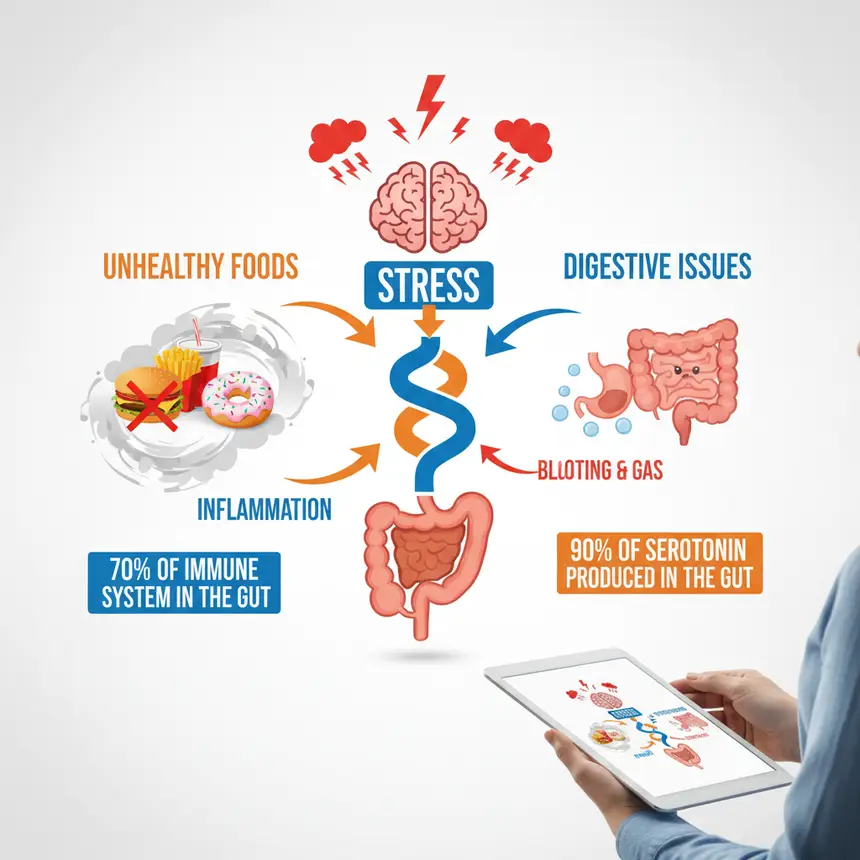
Uncovering the Hidden Causes of Gut Gas
When we delve deeper into the reasons behind abdominal bloating and gas, it becomes clear that our dietary choices and daily routines play a significant role.
- Rushed and Irregular Meals: Eating too quickly or skipping meals disrupts the natural flow of digestive enzymes, causing food to linger longer in the gut and increasing gas production.
- Westernized Dietary Patterns: Diets low in fiber and high in refined carbohydrates and processed foods deprive beneficial gut bacteria of their essential nutrients, leading to an imbalance. This can result in an increase of undigested food particles, which then ferment and produce gas. Think of a common scenario where highly processed snacks or white bread frequently replace fiber-rich fruits and whole grains.
- Inadequate Post-Meal Activity: The habit of sitting or lying down immediately after eating can hinder blood circulation in the abdominal area and slow down bowel movements. This delays the digestive process, making it a primary contributor to increased gas formation. It's like a traffic jam in your digestive system, preventing food from moving smoothly.
- Chronic Stress: Excessive stress affects the intricate connection between the gut and the brain, known as the gut-brain axis. This can cause tension in the gut muscles and impede peristalsis, the wave-like contractions that move food along. Consequently, stress often exacerbates indigestion and gas issues, becoming an unseen enemy to gut health in our busy lives.
※ This post contains affiliate links. I may earn a commission at no extra cost to you.


Practical Solutions for a Healthier Gut
Addressing abdominal gas and restoring gut health requires consistent effort and adopting beneficial habits. Here are actionable steps you can integrate into your daily routine:
- Gentle Movement: Light walks or stretches after meals can improve abdominal blood circulation and stimulate bowel activity. For instance, yoga poses like the "Cat-Cow" or "Plow Pose" gently massage the internal organs, aiding in gas release.
- Warmth Application: Applying a warm compress or hot pack to the abdomen can relax gut muscles and enhance blood flow, providing relief from gas. Just as warmth soothes tense shoulders, your gut can benefit from a comforting heat.
- Abdominal Massage: Gently massaging the area around your navel in a clockwise direction can stimulate peristalsis and help expel trapped gas. Use the palm of your hand to make slow, circular motions.
- Hydration: Adequate fluid intake is crucial for smooth bowel movements and facilitates the passage of food through the digestive tract. Developing a habit of regularly sipping lukewarm water can ease digestion without overburdening the system.
- Gut-Friendly Foods: Incorporate fiber-rich vegetables, fruits, and whole grains, which nourish beneficial gut bacteria and support regular bowel function. Fermented foods like kimchi, yogurt, and sauerkraut also introduce helpful microbes, contributing to a balanced gut environment. For example, consider adding berries or oats to your breakfast and choosing brown rice over white rice.
- Probiotic Supplementation: Modern diets and stress can lead to a reduction in beneficial gut bacteria. Supplementing with specific beneficial strains, such as Bifidobacteria, can play a key role in restoring microbial balance and supporting digestive wellness. Bifidobacteria naturally decline with age, making external supplementation even more vital. Opting for a multi-strain probiotic or a synbiotic formula that includes prebiotics (food for probiotics) can synergistically promote the growth of these beneficial organisms.

A Commitment to Lasting Gut Wellness
Achieving optimal gut health is not an overnight process. It requires understanding the underlying reasons for abdominal gas and consistently integrating gut-friendly foods, probiotic support, and healthy lifestyle choices. Making small, conscious changes—like slowing down your eating, incorporating light movement after meals, and effectively managing stress—are fundamental steps toward a healthier digestive system. While specific beneficial bacteria like Bifidobacteria are vital for improving the gut environment, their effectiveness is maximized when combined with overall lifestyle enhancements. By listening to your body and maintaining these small, continuous efforts, you can alleviate uncomfortable bloating and reclaim a more energetic daily life. Remember, a healthy gut is intimately linked to your overall well-being, so begin your journey to better gut health today.
Frequently Asked Questions
Q. Can frequent abdominal gas indicate a serious health problem?
A. While frequent gas is often related to diet or lifestyle, if it's chronic, accompanied by severe pain, weight loss, bloody stools, or other concerning symptoms, it's advisable to consult a healthcare professional.
Q. What types of foods are good for colon health?
A. Foods rich in dietary fiber such as vegetables (broccoli, cabbage), fruits (apples, bananas), and whole grains (brown rice, oats) are beneficial. Additionally, fermented foods like kimchi, yogurt, and sauerkraut contribute to a healthy gut environment.
Q. What should I consider when choosing a probiotic supplement?
A. When selecting a probiotic, consider if it contains a variety of beneficial strains (e.g., Bifidobacteria), if it's designed to survive stomach acid and reach the intestines, and if it's a synbiotic formula that includes prebiotics (food for the probiotics).
Q. Why does lying down immediately after eating tend to cause more gas?
A. Lying or sitting immediately after a meal reduces the effect of gravity, slowing down the movement of food from the stomach to the intestines. This allows food to remain in the digestive tract longer, increasing fermentation and gas production.
Q. How does stress impact gut health?
A. Stress can affect the gut-brain axis, interfering with gut motility and potentially increasing intestinal permeability, which can lead to inflammation. This may manifest as indigestion, abdominal pain, and increased gas.