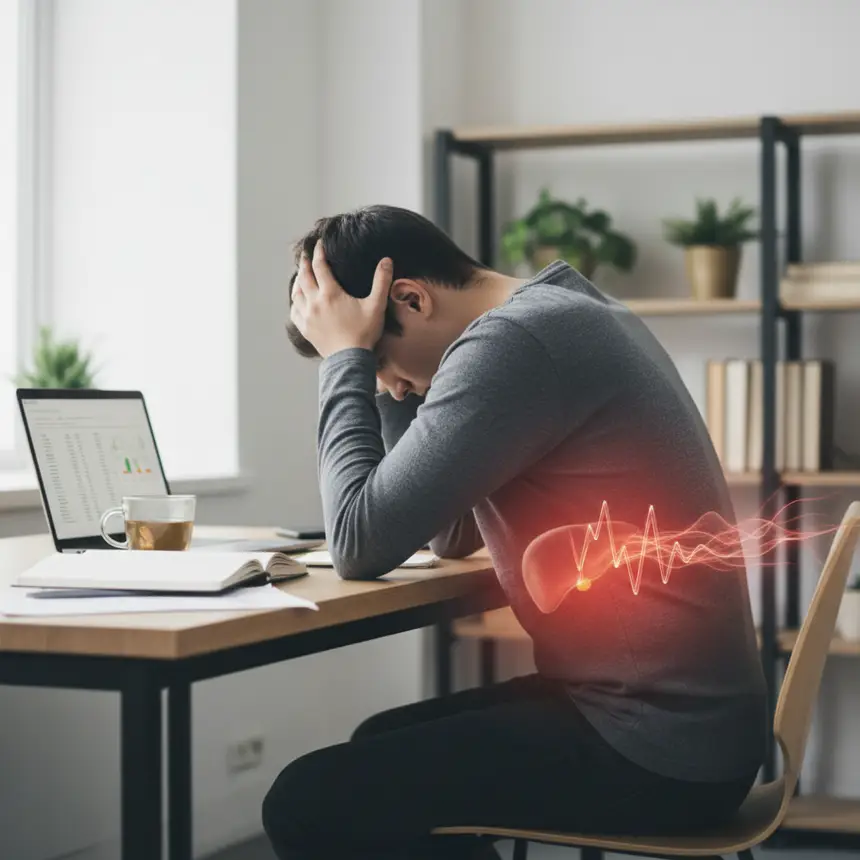
Discover how prolonged sitting can worsen chronic indigestion symptoms like bloating and discomfort. Learn practical tips for better posture, diet, and stress management to improve your digestive health.

Is Your Persistent Digestive Discomfort Just Overeating?
Many modern professionals spend long hours seated, often experiencing unexplained digestive discomfort. After a lunch break, settling back into your chair can bring on a feeling of heaviness, a nagging ache in your upper abdomen, or even excessive gas. It's easy to dismiss these as simply overeating or to reach for an antacid. However, if these discomforts are a recurring theme, they might be pointing to more than just a temporary issue; they could be signs of chronic digestive motility impairment. Crucially, your sitting posture might be a significant culprit exacerbating these symptoms. Let's explore the often-overlooked connection between subtle digestive changes and your body's alignment.
Why Sitting Posture Affects Digestion and a Self-Assessment Guide
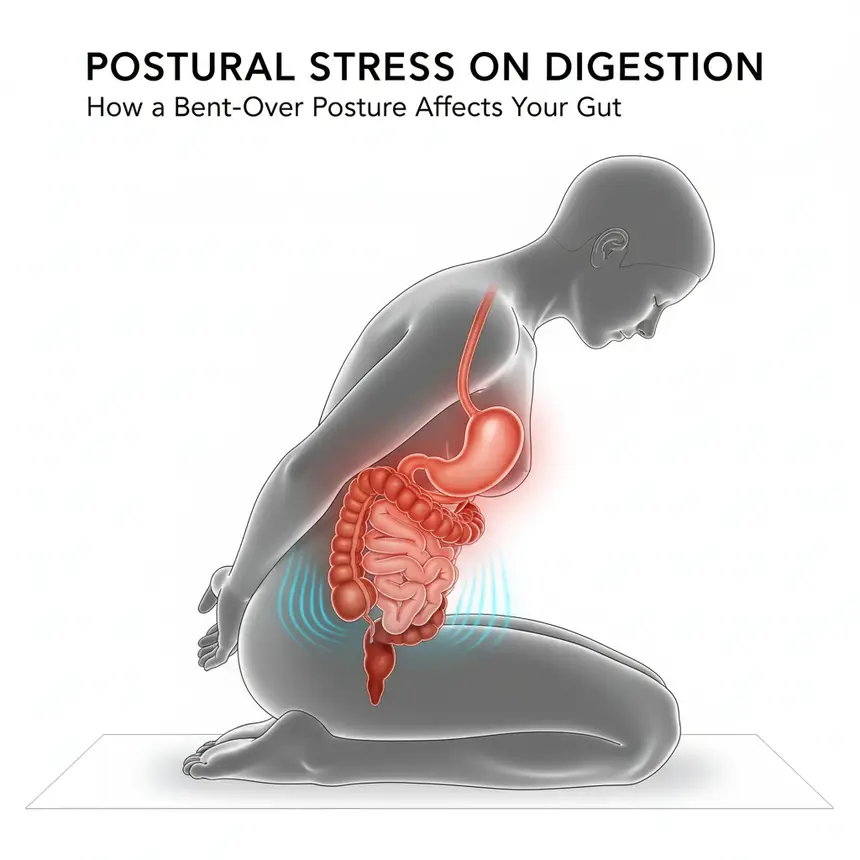
Chronic indigestion goes beyond the occasional discomfort of overeating; it signifies a persistent decline in the stomach's ability to process food efficiently. Many individuals experience what's known as 'functional dyspepsia,' where routine endoscopies reveal no apparent abnormalities. Your sitting posture, particularly a slouched or hunched position, can significantly worsen these digestive woes. When you sit in a way that compresses your abdomen, it restricts the natural movement of your stomach and intestines, hindering the smooth passage of food. This physical pressure can lead to persistent bloating, feelings of fullness even after small meals, frequent belching, and even acid reflux. If you often experience several of the following, paying closer attention to your gut health is advisable:
- A feeling of tightness or discomfort in your upper abdomen when seated.
- Early satiety or feeling full quickly despite eating small portions.
- Frequent belching or nausea that worsens when sitting.
- Burning sensation or ache in the pit of your stomach.
- Abdominal gas and bloating that increases with prolonged sitting.
- Sensation of acid reflux when bending over.
- Persistent fatigue alongside ongoing digestive issues.
※ This post contains affiliate links. I may earn a commission at no extra cost to you.

Practical Strategies for Relieving Chronic Indigestion
To alleviate chronic digestive discomfort and foster a healthier gut, incorporating specific practices into your daily routine is essential.
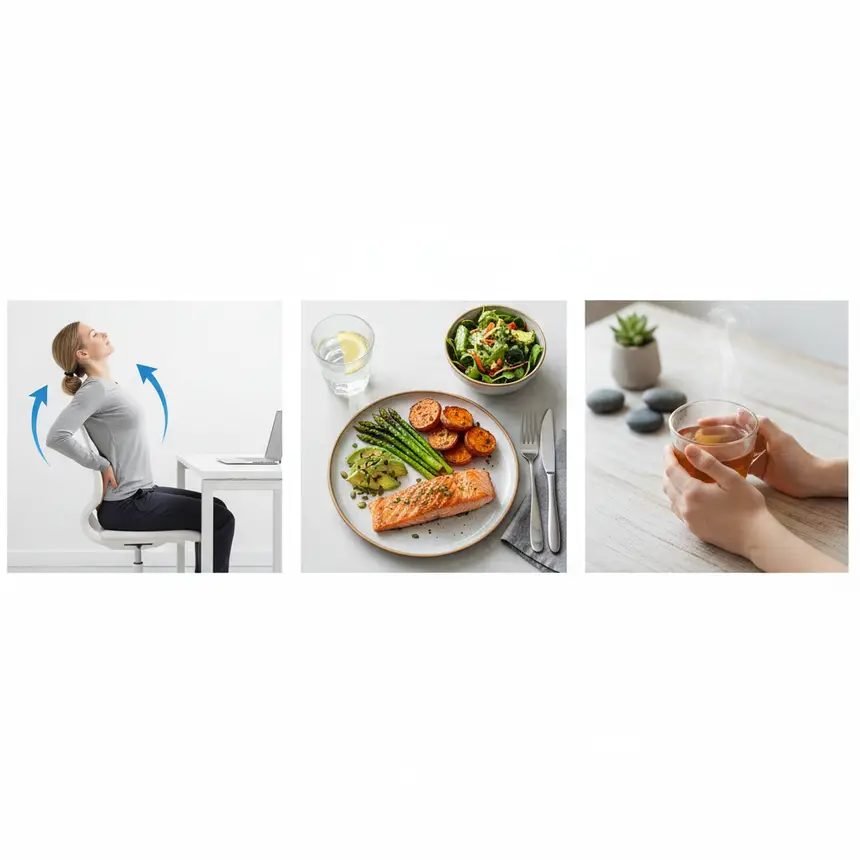
1. Posture Correction and Movement: When seated for extended periods, maintain an upright posture, ensuring your abdomen isn't compressed. Make it a habit to stand up and walk around for a few minutes every hour. Simple stretches, like reaching your arms overhead or gentle side bends, can also help relieve abdominal pressure and stimulate digestive activity.
2. Mindful Eating Habits: Overeating or rushing through meals places undue stress on your digestive system. Opt for smaller, more frequent meals, and take your time to thoroughly chew your food. Additionally, limiting spicy, greasy foods, caffeine, and carbonated drinks can significantly reduce digestive strain.
3. Stress Management: Stress is a potent factor influencing gut motility. Engage in regular physical activity, ensure adequate sleep, and explore relaxation techniques like meditation or deep breathing. Effectively managing stress can bring about positive changes in your digestive well-being.
1. Posture Correction and Movement: When seated for extended periods, maintain an upright posture, ensuring your abdomen isn't compressed. Make it a habit to stand up and walk around for a few minutes every hour. Simple stretches, like reaching your arms overhead or gentle side bends, can also help relieve abdominal pressure and stimulate digestive activity.
2. Mindful Eating Habits: Overeating or rushing through meals places undue stress on your digestive system. Opt for smaller, more frequent meals, and take your time to thoroughly chew your food. Additionally, limiting spicy, greasy foods, caffeine, and carbonated drinks can significantly reduce digestive strain.
3. Stress Management: Stress is a potent factor influencing gut motility. Engage in regular physical activity, ensure adequate sleep, and explore relaxation techniques like meditation or deep breathing. Effectively managing stress can bring about positive changes in your digestive well-being.
Beyond Relief: Cultivating Long-Term Digestive Wellness
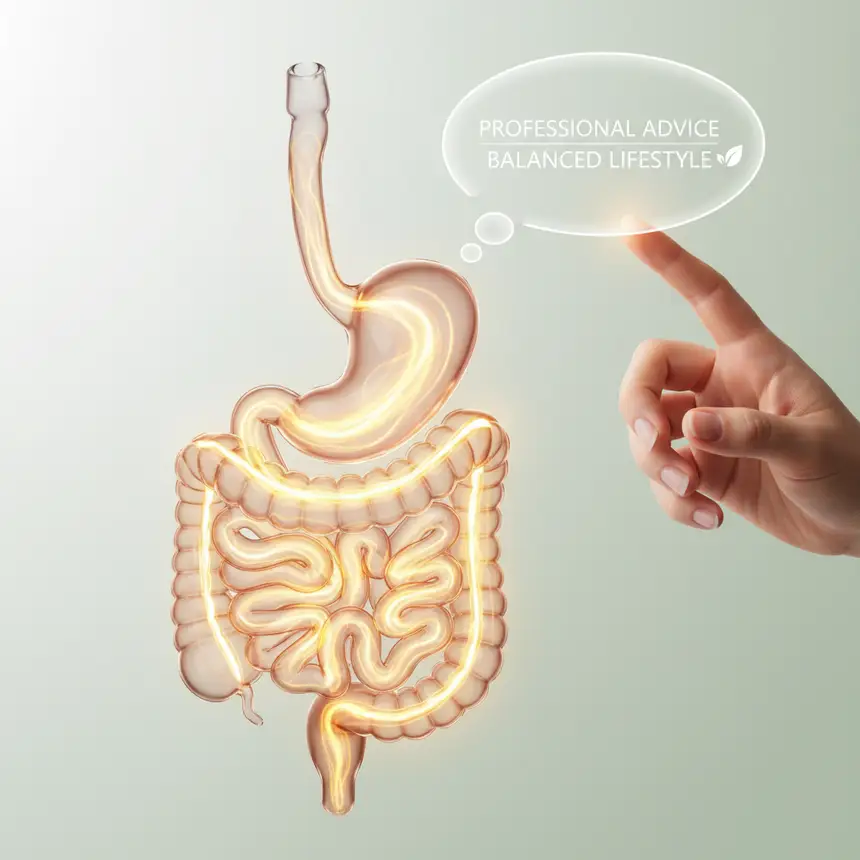
Digestive discomfort is far more than a simple upset stomach; it's a vital health signal that profoundly impacts our energy levels and overall quality of life. The sedentary nature of modern work can exacerbate these issues. Our digestive system is fundamental to our body's balance, and problems there can ripple out, affecting other aspects of health. Therefore, instead of focusing solely on temporary symptom relief, it's crucial to adopt a holistic approach through lifestyle adjustments and consistent care to restore gut function and overall balance. If your digestive troubles persist despite consistent efforts, do not hesitate to seek professional guidance for an accurate diagnosis and personalized advice. A healthy digestive system is truly the cornerstone of a vibrant, active life.
Frequently Asked Questions
Q. Can my sitting posture really affect my digestion?
A. Absolutely. A slouched or hunched sitting posture compresses your abdomen, restricting the movement of your stomach and intestines. This can impede blood flow to digestive organs, slowing down digestion and worsening symptoms like bloating and discomfort.
Q. What dietary changes can help ease chronic indigestion?
A. Focus on eating smaller, more frequent meals and chewing your food thoroughly. Avoid overeating, and limit trigger foods such as spicy, greasy, or highly processed items. Reducing caffeine and carbonated beverages can also make a significant difference.
Q. How does stress impact digestive issues?
A. Stress directly affects the enteric nervous system, often called the 'second brain' in the gut. It can either slow down or speed up gut motility, interfere with digestive enzyme production, and increase gut sensitivity, leading to or worsening symptoms like indigestion, abdominal pain, and changes in bowel habits.