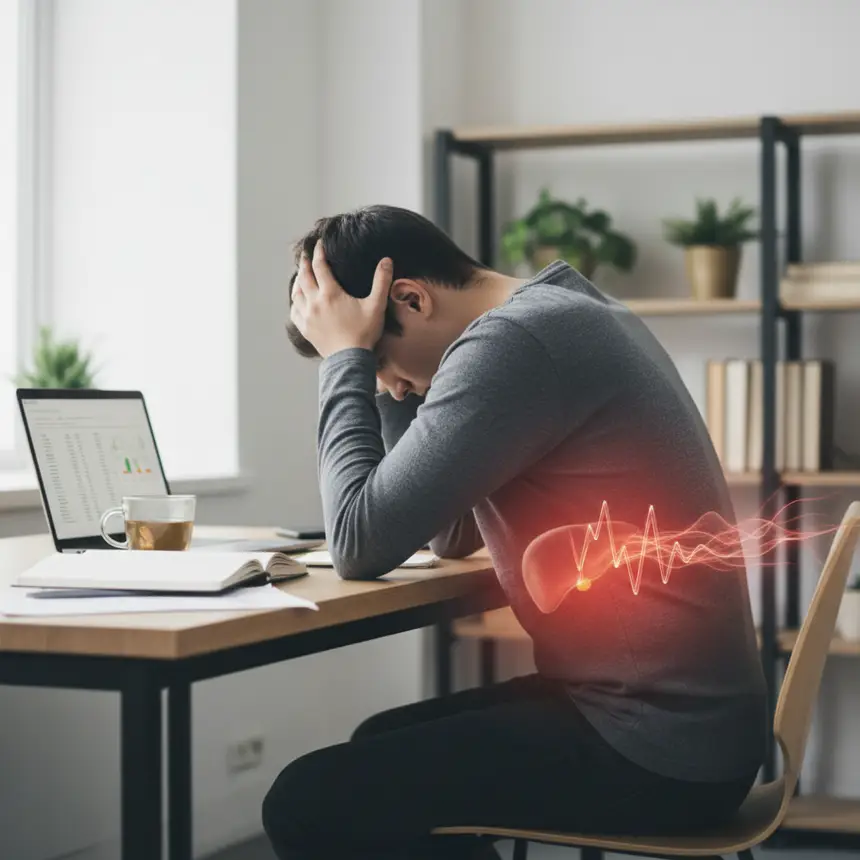
As you approach the mid-point of pregnancy at 16 weeks, your body undergoes significant changes. Learn to identify the causes of common symptoms like lower abdominal pain and indigestion, understand the importance of proper nutrition and essential vaccinations, and manage them effectively for a healthy pregnancy journey.

The Journey to Mid-Pregnancy: Common Concerns at 16 Weeks
Reaching the 16-week mark in pregnancy signifies a period of rapid fetal growth and considerable maternal body changes. Many expecting mothers encounter various physical discomforts during this time. Among the most frequent worries is a persistent ache or occasional sharp pain in the lower abdomen. Additionally, symptoms like increased indigestion, bloating, and sudden headaches are commonly reported by pregnant individuals at this stage. Given that fetal movements might still be subtle, making it hard to directly gauge the baby's well-being, these physical discomforts can often heighten a sense of anxiety. This article aims to shed light on the array of symptoms that can arise around 16 weeks and provide practical strategies for effective management.

Unpacking the Reasons Behind Mid-Pregnancy Discomforts
The various symptoms experienced at 16 weeks of pregnancy are typically a natural outcome of fetal development and the mother's body adapting to these changes. Lower abdominal pain, for instance, often arises as the uterus expands, stretching the surrounding ligaments and muscles. Occasionally, pressure on the bladder or irregular bowel movements due to constipation can also trigger abdominal discomfort. Indigestion and bloating are common due to the influence of pregnancy hormones, which slow down the digestive system, and the growing uterus, which can exert pressure on the stomach. Furthermore, increased blood volume and elevated iron demands during pregnancy make iron-deficiency anemia more likely, frequently manifesting as headaches. While these symptoms are largely normal aspects of pregnancy, understanding their underlying causes is crucial for psychological reassurance and appropriate self-care.
※ This post contains affiliate links. I may earn a commission at no extra cost to you.


Practical Strategies for a Healthy Mid-Pregnancy
Managing the discomforts of 16 weeks and maintaining a healthy pregnancy involves several actionable strategies.
- Easing Abdominal Pain: When experiencing discomfort, try resting on your side or applying a warm compress. Regular routines and ample hydration are key to preventing constipation, which can alleviate some abdominal pain. Discussing safe probiotic options with a healthcare provider may also be beneficial for some.
- Managing Indigestion: Opt for smaller, more frequent meals rather than large ones, focusing on easily digestible, bland foods instead of greasy or spicy options. Taking a gentle walk after eating, rather than lying down immediately, can aid digestion.
- Nutritional Support and Vaccinations: To counter iron deficiency, a common cause of headaches, incorporate iron-rich foods (like lean red meat, spinach) into your diet. If advised by a healthcare professional, a liquid iron supplement might be considered for better absorption. Additionally, certain vaccinations (e.g., Hepatitis A and B) are often recommended during pregnancy to protect both mother and baby from specific infections. These vaccinations are typically given in multiple doses over several months. Always consult with your healthcare provider or local public health office to determine the appropriate vaccination schedule and types based on your individual health profile.

Sustained Care and Preparation for Your Baby's Healthy Growth
The 16-week mark is a critical period where the fetus grows rapidly and vital organs continue to develop. Regular prenatal check-ups during this time are essential to monitor growth indicators such as the baby's head circumference, abdominal circumference, and femur length, and to conduct necessary screenings like neural tube defect tests. Most babies thrive at this stage, and crucial indicators like cervical length are continuously checked to preempt any potential risks. Moreover, when traveling, using a specialized prenatal safety belt can help reduce abdominal pressure and protect the fetus in the event of an accident. A healthy pregnancy journey is truly a testament to the mother's consistent efforts combined with thoughtful care from those around her. Pay close attention to your body's subtle changes, and never hesitate to consult with your healthcare provider about any concerns to ensure a healthy and joyful pregnancy experience.
Frequently Asked Questions
Q. Is it normal to have strong lower abdominal pain at 16 weeks pregnant?
A. Mild lower abdominal pain is common around 16 weeks as your uterus expands and stretches surrounding ligaments. While usually normal, if the pain is severe, persistent, or accompanied by other symptoms like bleeding or fever, it's crucial to contact your healthcare provider. Resting on your side or a warm compress may offer some relief.
Q. How can I alleviate indigestion during pregnancy?
A. Indigestion is frequent in pregnancy due to hormonal changes and uterine pressure on the stomach. Try eating smaller, more frequent meals, and opt for bland, easily digestible foods over fatty or spicy ones. Light activity after meals can help, and discussing safe probiotic options with your doctor might be beneficial.
Q. What vaccinations are recommended for pregnant women?
A. Certain vaccinations, such as for Hepatitis A and B, may be recommended during pregnancy to protect both you and your baby from specific infections. The necessity and timing of these vaccinations should always be discussed with your healthcare provider, taking into account your immunity status and risk factors.
Q. Why is iron intake so important during pregnancy?
A. During pregnancy, your body's demand for iron significantly increases to support the baby's blood supply and your own expanded blood volume. Iron deficiency can lead to anemia, causing symptoms like fatigue and headaches. It's important to consume iron-rich foods and, if advised by your healthcare provider, take an iron supplement.