Explore the common insomnia causes behind restless nights and discover practical ways to improve your sleep quality in daily life. Dive into various strategies for better sleep.

H2. Sleepless Nights: A Widespread Modern Challenge
Many individuals today struggle to achieve a restful night's sleep. Statistics show that a significant portion of the adult population experiences temporary or chronic sleep difficulties, impacting their overall quality of life. Lack of sufficient rest can lead to various issues during the day, such as decreased concentration, impaired memory, and mood swings, negatively affecting academic or professional performance. The `insomnia causes` troubling us are often multifaceted, typically arising from a combination of factors rather than a single source. In this article, we'll delve into the underlying reasons behind those restless nights and explore practical strategies to enhance your `sleep quality`.

H2. Key Factors Undermining Your Sleep Quality: Analyzing Insomnia Causes
Factors that disrupt peaceful sleep can be broadly categorized into four main areas. Understanding these `insomnia causes` is the first step toward finding effective `improving sleep` solutions.
1. Psychological Factors and Brain Arousal: Mental pressures like worry, anxiety, and stress can keep the brain in a state of heightened arousal. Tossing and turning all night before a big presentation or overthinking unresolved issues can prevent the brain from relaxing, making it hard to fall asleep. This can disrupt the balance of your autonomic nervous system, leading to an increased heart rate and tension, and over-activation of emotional regulation centers like the amygdala, thereby hindering sleep. While external stimuli distract us during the day, the quiet environment at night can amplify internal anxiety signals, worsening sleep problems.
2. Lifestyle Habits and Circadian Rhythm Disruption: Irregular routines, using electronic devices before bed, and excessive bright light exposure can disrupt the body's natural circadian rhythm. Consuming caffeinated beverages late in the day, engaging in vigorous exercise too close to bedtime, or eating heavy meals late at night are also common culprits that impede restful sleep. These habits interfere with sleep-inducing processes like melatonin secretion, throwing off your natural sleep timing.
3. Physical Discomfort and Health Conditions: Chronic physical discomfort, such as muscle aches, digestive issues like acid reflux, or hormonal changes, can interfere with `sleep quality`. Conditions like acid reflux or back pain create discomfort when lying down, while snoring, sleep apnea, or restless leg syndrome can fragment sleep, preventing deep, restorative slumber.
4. Influence of External Substances: Beyond stimulants like caffeine and nicotine, certain cold medicine ingredients or specific supplements can also disrupt sleep. Alcohol, in particular, may initially induce drowsiness but significantly degrades `sleep quality` over time and can lead to dependence, ultimately worsening sleep issues.
1. Psychological Factors and Brain Arousal: Mental pressures like worry, anxiety, and stress can keep the brain in a state of heightened arousal. Tossing and turning all night before a big presentation or overthinking unresolved issues can prevent the brain from relaxing, making it hard to fall asleep. This can disrupt the balance of your autonomic nervous system, leading to an increased heart rate and tension, and over-activation of emotional regulation centers like the amygdala, thereby hindering sleep. While external stimuli distract us during the day, the quiet environment at night can amplify internal anxiety signals, worsening sleep problems.
2. Lifestyle Habits and Circadian Rhythm Disruption: Irregular routines, using electronic devices before bed, and excessive bright light exposure can disrupt the body's natural circadian rhythm. Consuming caffeinated beverages late in the day, engaging in vigorous exercise too close to bedtime, or eating heavy meals late at night are also common culprits that impede restful sleep. These habits interfere with sleep-inducing processes like melatonin secretion, throwing off your natural sleep timing.
3. Physical Discomfort and Health Conditions: Chronic physical discomfort, such as muscle aches, digestive issues like acid reflux, or hormonal changes, can interfere with `sleep quality`. Conditions like acid reflux or back pain create discomfort when lying down, while snoring, sleep apnea, or restless leg syndrome can fragment sleep, preventing deep, restorative slumber.
4. Influence of External Substances: Beyond stimulants like caffeine and nicotine, certain cold medicine ingredients or specific supplements can also disrupt sleep. Alcohol, in particular, may initially induce drowsiness but significantly degrades `sleep quality` over time and can lead to dependence, ultimately worsening sleep issues.
※ This post contains affiliate links. I may earn a commission at no extra cost to you.

H2. Improving Sleep: Practical Strategies for Restful Nights
If sleepless nights are a recurring problem, making efforts to enhance your `sleep quality` through lifestyle adjustments is crucial. Here are some `improving sleep` strategies you can start implementing today:
- Maintain a Regular Sleep Schedule: Go to bed and wake up at the same time every day, even on weekends. Consistency helps stabilize your body's internal clock, making it easier to fall asleep and wake up naturally.
- Optimize Light Exposure: In the morning, expose yourself to natural sunlight for 10-30 minutes to regulate melatonin production. In the evening, dim the lights and reduce screen time on electronic devices. It's especially beneficial to avoid blue light-emitting devices 1-2 hours before bed.
- Limit Caffeine and Alcohol: Avoid caffeine intake within 6 hours of bedtime. Alcohol, while seemingly sleep-inducing, actually degrades `sleep quality`, so it's best to limit it. If you're thirsty, opt for lukewarm water or caffeine-free herbal tea.
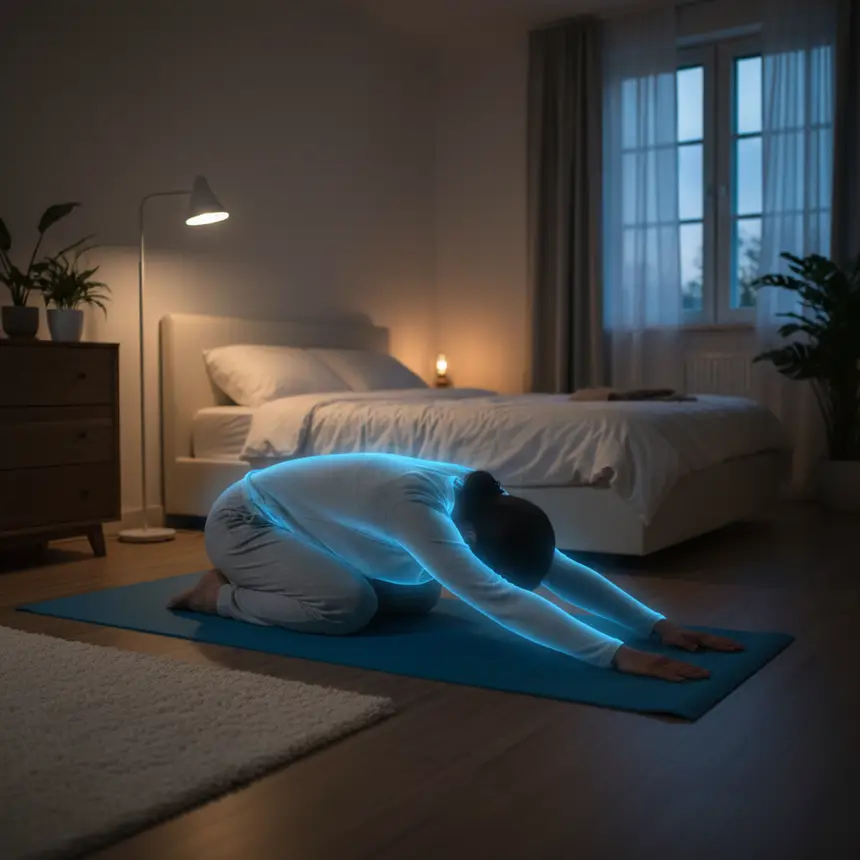
- Regular Exercise and Relaxation: Consistent daytime exercise can improve `sleep quality`, but intense workouts too close to bedtime can be stimulating. Instead, try gentle stretching, yoga, or meditation a few hours before sleep to relax your body and mind.
- Create an Ideal Sleep Environment: Ensure your bedroom is dark, quiet, and cool. Use your bed primarily for sleep, avoiding work or entertainment in the bedroom to train your brain to associate the space with rest. If sleep problems persist for more than two weeks or significantly impact your daily life, consider consulting a professional to identify the exact `insomnia causes` and receive appropriate guidance.
Frequently Asked Questions
Q. Is taking a long time to fall asleep always a sign of insomnia?
A. Taking a long time to fall asleep can be one of several `insomnia causes`, but it might also be a temporary occurrence. Generally, if you consistently struggle to fall asleep for more than two weeks, frequently wake up during the night, don't feel refreshed in the morning, and it impacts your daily life, it's worth considering it a sleep issue.
Q. Will sleep supplements always improve my `sleep quality`?
A. Sleep supplements can indirectly support `sleep quality`, but they are not a guaranteed `improving sleep` solution for everyone. Instead of relying solely on supplements, prioritize addressing fundamental `insomnia causes` through regular habits, stress management, and appropriate exercise. It's advisable to consult with a professional before deciding to use any supplements.
Q. Does napping affect `sleep quality`?
A. Short, appropriate naps (under 20 minutes) can help alleviate fatigue and improve concentration during the day. However, long or late-afternoon naps can disrupt nighttime sleep and decrease your overall `sleep quality`. If you're struggling with `insomnia causes`, it's generally best to avoid naps or keep them very short.
Q. What are some environmental `insomnia causes`?
A. Environmental `insomnia causes` include a bedroom that's too bright or noisy, an uncomfortable room temperature, or unsuitable bedding. For optimal sleep, keeping your bedroom dark, quiet, and cool, and using a comfortable mattress and pillows are crucial steps for `improving sleep quality`.