Healthy blood vessels are key to your body's vitality. Learn which foods promote vessel health and which ones to limit, then make positive dietary choices for better circulation.

H2: Are You Ignoring Your Body's Silent Signals?
Ever feel inexplicably tired, sluggish, or out of breath after climbing a flight of stairs? You might attribute it to a stressful day or just getting older. But what if these subtle hints are your body's way of telling you something deeper is going on with your blood vessels? These vital pathways tirelessly transport oxygen and nutrients throughout your entire system. Yet, their health often goes unnoticed because the changes aren't immediately visible. When blood vessels lose their flexibility or become compromised, circulation falters, potentially diminishing your overall energy and vitality. Just like an aging city infrastructure, if your vascular system isn't functioning optimally, your entire body can start to feel the strain. Recognizing these quiet cues is the first step toward reclaiming your well-being.
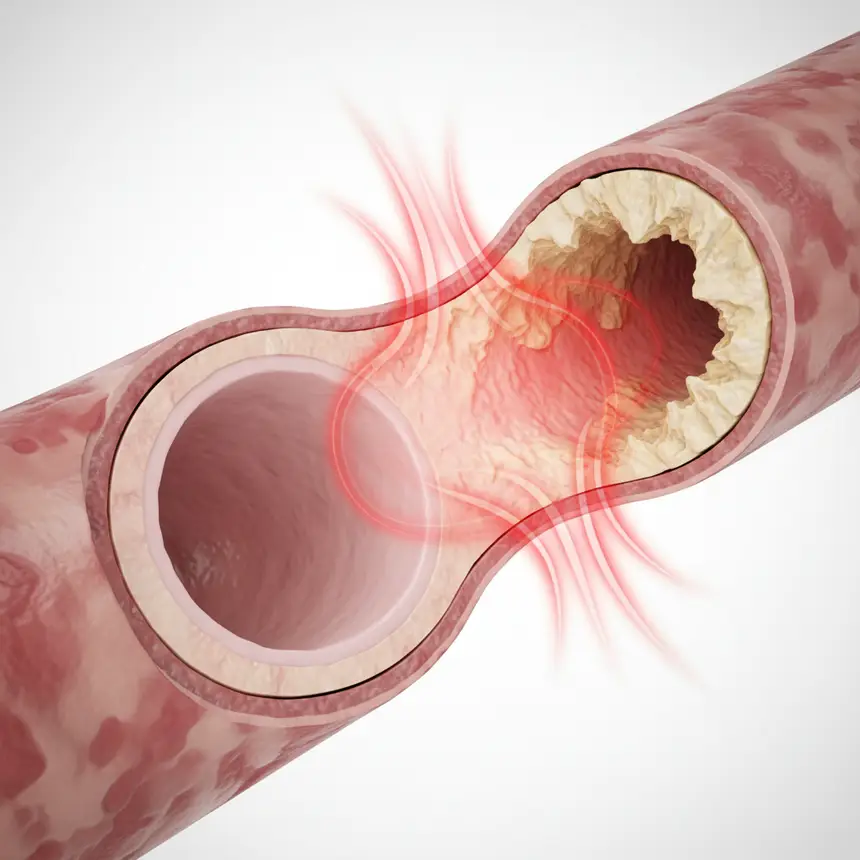
H2: Understanding How Everyday Meals Affect Your Vascular Health
Your blood vessels are the superhighways of your circulatory system, crucial for delivering life-sustaining blood to every cell and organ. Unfortunately, the typical modern diet often places immense stress on these critical pathways. Foods rich in saturated and trans fats, excessive sodium, and added sugars can damage the inner lining of your vessels, triggering inflammation and leading to the accumulation of plaque—a sticky mixture of cholesterol and other substances. As this plaque builds up, your arteries can narrow and harden, losing their natural elasticity. This impedes blood flow, potentially raising blood pressure and reducing the efficient supply of blood to essential organs like your heart and brain. Understanding the profound connection between your daily food choices and the health of your blood vessels is paramount for proactive self-care.
※ This post contains affiliate links. I may earn a commission at no extra cost to you.

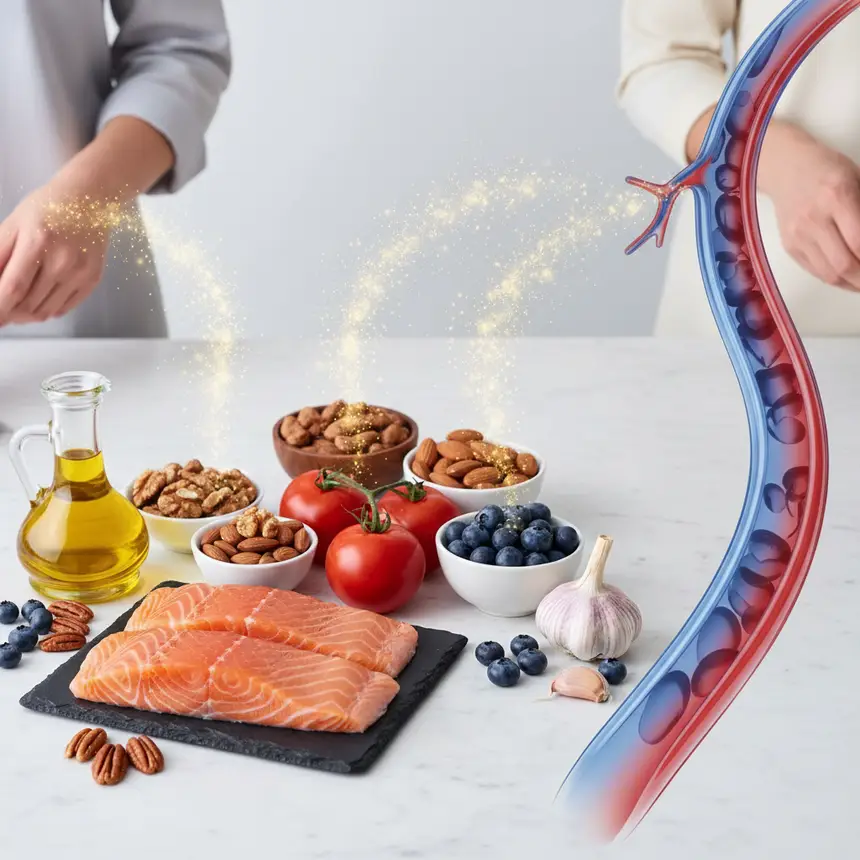
H2: Essential Nutrients and Foods to Prioritize for Optimal Vessel Function
Nourishing your blood vessels effectively means making conscious food choices that support their structure and function while minimizing exposure to harmful elements.
1. Foods That Love Your Vessels:
2. Foods to Limit or Avoid for Vessel Health:
1. Foods That Love Your Vessels:
- Healthy Fats: Omega-3 fatty acids found in fatty fish like salmon and mackerel help regulate triglyceride levels and reduce inflammation. Monounsaturated and polyunsaturated fats from sources like olive oil, avocados, and nuts (almonds, walnuts) support healthy cholesterol balance and protect vessel walls.
- Potent Antioxidants: Compounds like lycopene in tomatoes, anthocyanins in blueberries, catechins in green tea, and allicin in garlic offer robust protection against oxidative stress and inflammation, guarding against vessel aging.
- Fiber and Potassium: Whole grains, fresh vegetables, and fruits are packed with fiber, which aids in cholesterol removal. Potassium-rich foods assist in balancing sodium levels, positively impacting blood pressure.
2. Foods to Limit or Avoid for Vessel Health:
- Trans and Saturated Fats: Commonly found in fast food, processed meats (sausages, bacon), and fried items, these elevate "bad" cholesterol (LDL) and contribute to plaque formation.
- Excess Sodium and Added Sugars: High-sodium processed foods and sugary desserts/beverages can spike blood pressure and blood sugar, leading to vessel damage.
- Excessive Alcohol: While moderate intake might have some benefits, overindulgence can raise blood pressure and triglyceride levels, negatively impacting vessel health. Opt for whole, unprocessed foods and read nutrition labels carefully.

H2: Simple Strategies for a Healthier Vascular Diet
Transforming your eating habits for better blood vessel health doesn't require drastic overhauls. Small, consistent changes can make a significant difference.
- Smart Grocery Shopping: Focus your cart on the perimeter of the store—fresh produce, lean proteins, and whole grains—before venturing into the aisles where processed foods often reside. Always check nutrition labels for low sodium, low sugar, and minimal unhealthy fats.
- Mindful Cooking: Instead of deep-frying, opt for baking, grilling, steaming, or sautéing with healthy oils like olive or avocado oil. Experiment with herbs and spices instead of relying heavily on salt for flavor.
- Snack Smarter: Ditch sugary snacks and processed treats. Reach for fresh fruit, a handful of nuts, or plain yogurt to keep blood sugar stable and provide beneficial nutrients.
- Stay Hydrated: Drinking plenty of water helps maintain blood viscosity, supporting smoother blood flow. Aim for at least eight glasses daily. Unsweetened herbal teas or green tea are also excellent choices.
- Regular Meals: Eating at consistent times helps regulate blood sugar and blood pressure, reducing stress on your blood vessels. Prioritize balanced meals throughout your day.

H2: A Healthy Vascular System Means a More Vibrant You
Your blood vessels are more than just conduits; they are the lifelines that dictate your overall vitality and well-being. Neglecting their health can lead to a cascade of issues, from chronic fatigue to a diminished quality of life. The good news is that your diet is one of the most powerful tools you possess to actively improve and maintain vessel health. By consciously incorporating the vessel-loving foods discussed and reducing those that cause harm, you empower your body to thrive. Start small, be consistent, and witness how these dietary shifts can fortify your blood vessels, infusing your life with renewed energy and vigor. What small, positive change will you make today to nourish your vascular system and embark on a more vibrant, healthier journey?
Frequently Asked Questions
Q. What are the most important nutrients for blood vessel health?
A. Key nutrients include Omega-3 fatty acids, powerful antioxidants (like lycopene, anthocyanins, and catechins), dietary fiber, and potassium. These help reduce inflammation, regulate cholesterol, and stabilize blood pressure, all vital for healthy vessels.
Q. How does a poor diet specifically impact my blood vessels?
A. A diet high in trans and saturated fats, excessive sodium, and added sugars can damage vessel linings, trigger inflammation, and lead to plaque buildup. This narrows and hardens blood vessels, impairing blood flow and potentially raising blood pressure.
Q. What's the best way to start a diet focused on blood vessel health?
A. Begin with gradual, sustainable changes. Reduce processed food intake, increase fresh fruits, vegetables, and whole grains. Opt for baking or steaming over frying, use healthy oils, and season with herbs instead of excess salt. Consistent hydration is also crucial.