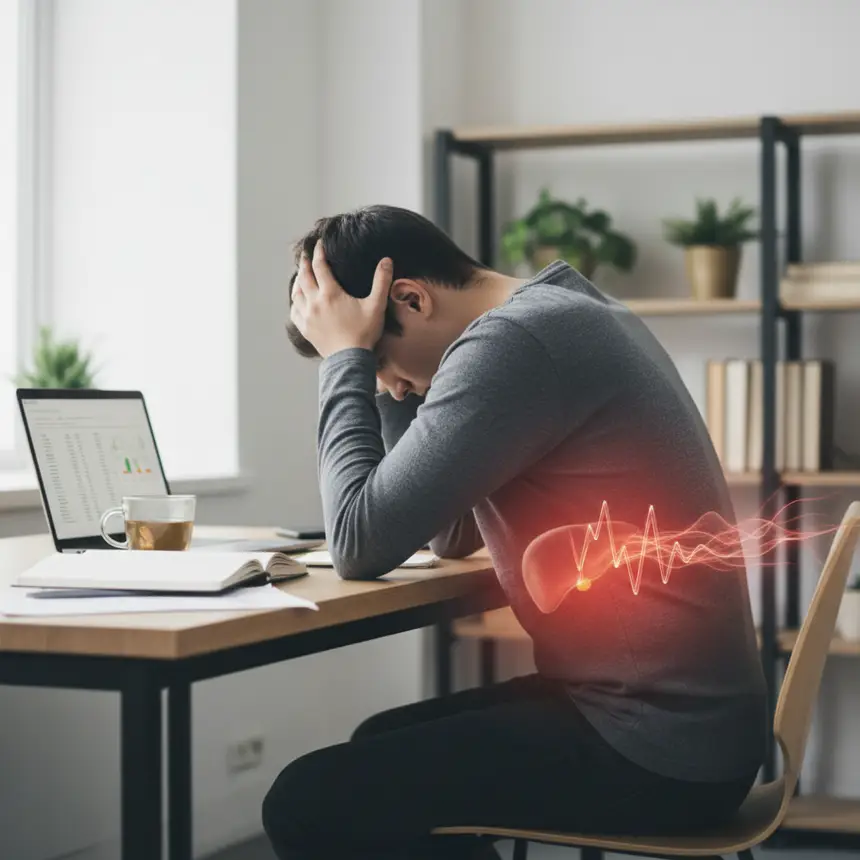
Comprehensive guide to managing postpartum preeclampsia symptoms including swelling, high blood pressure, and kidney/liver concerns. Learn effective recovery strategies and practical tips for a healthy postpartum period.

The Unexpected Realities of Postpartum Recovery
Bringing a new life into the world is a profound experience, ushering in significant changes for a woman's body. While many new mothers anticipate shedding weight after childbirth, it's not uncommon to experience an unexpected weight gain or persistent, uncomfortable swelling. This fluid retention, particularly in the thighs, calves, and feet, can go beyond mere discomfort, contributing to a feeling of heaviness and profound fatigue. When such significant swelling or persistent issues arise, especially those linked to conditions like postpartum preeclampsia, it often requires more than just standard recovery measures. Paying close attention to these persistent symptoms is crucial, as they might signal underlying health considerations beyond typical postpartum exhaustion.
Understanding Why Postpartum Complications Linger
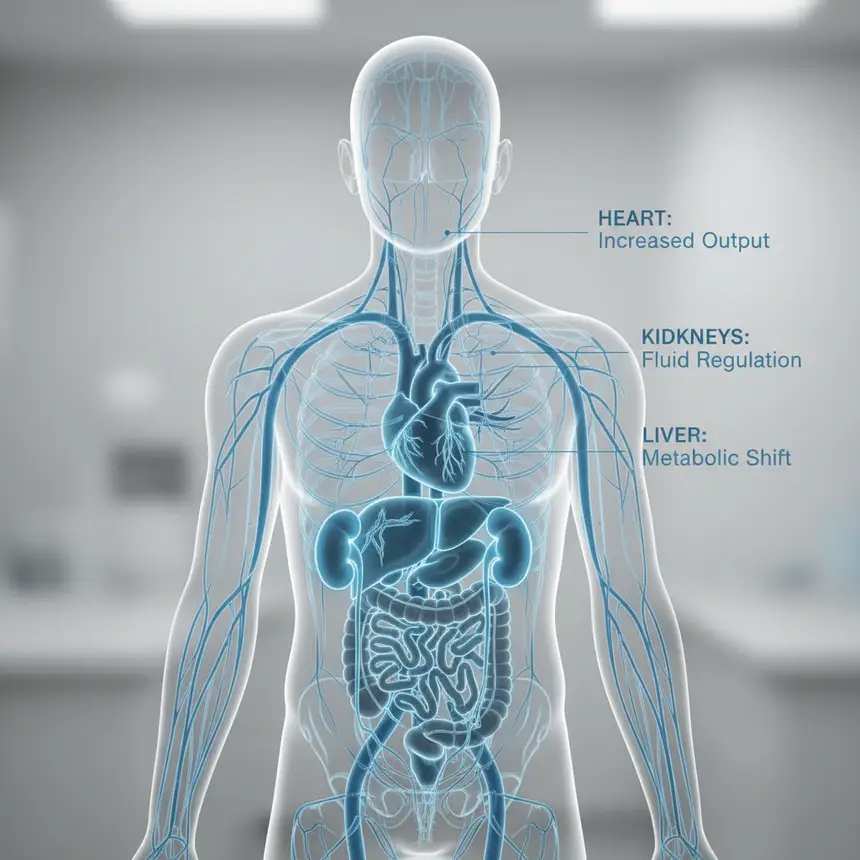
It's not unusual for health issues such as elevated blood pressure or organ function irregularities to persist or even emerge after childbirth. This can often be attributed to lingering effects from conditions experienced during pregnancy, such as preeclampsia, which can prevent blood pressure from quickly returning to normal or temporarily impact kidney and liver function. The body undergoes massive hormonal shifts and fluid redistribution post-delivery. These physiological adjustments can alter vascular resistance or disrupt the body's fluid balance, leading to continued swelling and elevated blood pressure. Furthermore, the kidneys and liver play vital roles in regulating these changes, making them susceptible to temporary functional decline. Understanding these underlying causes through ongoing medical consultations and adopting habits like a low-sodium diet is key to effective management.
※ This post contains affiliate links. I may earn a commission at no extra cost to you.

Proactive Strategies for a Smoother Postpartum Recovery
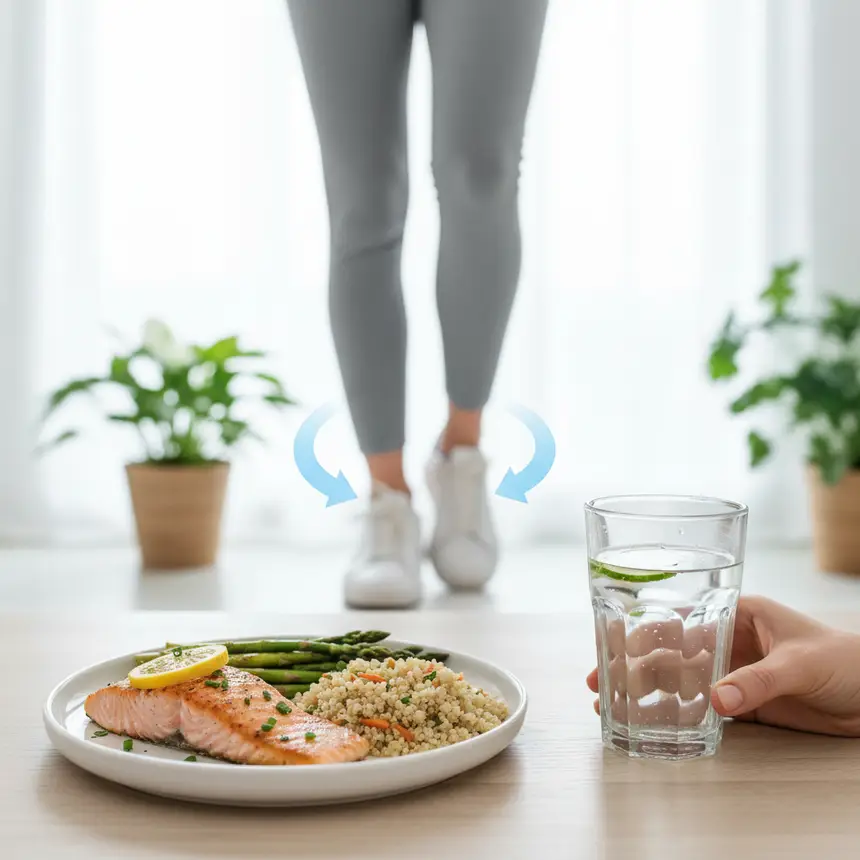
Effectively managing postpartum health concerns requires a multi-faceted approach. For swelling, incorporating gentle activity and appropriate compression can be highly beneficial. Even light walking, such as short trips around the house, can stimulate circulation and help reduce fluid retention, similar to how early hospital walks can lead to a few pounds of fluid loss. Specialized postpartum massage, if accessible, has also shown promising results for significant fluid reduction over a week, offering a concentrated path to relief.
Managing high blood pressure demands careful attention. Regular home monitoring, perhaps several times a day and a daily weight check, is essential for tracking your body's response. A low-sodium diet is fundamental, and it's critical to adhere to any prescribed blood pressure medication under your doctor's guidance. Many find that blood pressure stabilizes within approximately a month of consistent medication.
If kidney or liver function issues are identified through tests, consistent follow-up appointments and medication are crucial. Kidney support medications may be needed for about three weeks, and liver support for around a month, with careful consideration for breastfeeding mothers. Even in the absence of obvious symptoms, consistently addressing abnormal lab results is vital for long-term health.
Managing high blood pressure demands careful attention. Regular home monitoring, perhaps several times a day and a daily weight check, is essential for tracking your body's response. A low-sodium diet is fundamental, and it's critical to adhere to any prescribed blood pressure medication under your doctor's guidance. Many find that blood pressure stabilizes within approximately a month of consistent medication.
If kidney or liver function issues are identified through tests, consistent follow-up appointments and medication are crucial. Kidney support medications may be needed for about three weeks, and liver support for around a month, with careful consideration for breastfeeding mothers. Even in the absence of obvious symptoms, consistently addressing abnormal lab results is vital for long-term health.

Embracing Your Healing Journey with Patience and Self-Compassion
The postpartum recovery journey can be longer and more complex than anticipated. When navigating issues like those related to preeclampsia while also caring for a newborn, the challenges can feel immense. However, with consistent self-care and professional medical guidance, a full recovery is absolutely attainable. Conditions like high blood pressure, kidney, or liver function irregularities, even if they present with subtle or no outward symptoms, require diligent monitoring of lab results. Paying attention to these 'invisible' health markers is often the key to comprehensive healing.
To all new mothers navigating this demanding period, remember that prioritizing your physical and mental well-being is paramount. Adhering to your healthcare provider's instructions, taking prescribed medications, and maintaining a nourishing diet are foundational to your recovery. Grant yourself ample time, listen intently to your body's subtle cues, and approach your healing with patience and kindness. You possess the incredible strength needed to overcome these challenges and reclaim your vibrant health.
To all new mothers navigating this demanding period, remember that prioritizing your physical and mental well-being is paramount. Adhering to your healthcare provider's instructions, taking prescribed medications, and maintaining a nourishing diet are foundational to your recovery. Grant yourself ample time, listen intently to your body's subtle cues, and approach your healing with patience and kindness. You possess the incredible strength needed to overcome these challenges and reclaim your vibrant health.
Frequently Asked Questions
Q. How long can postpartum swelling last?
A. Postpartum swelling varies greatly among individuals, typically subsiding within a few weeks. However, swelling caused by specific conditions like postpartum preeclampsia might persist longer and require medical management. Gentle exercise, adequate hydration, and a low-sodium diet can be beneficial.
Q. What should I do if my blood pressure remains high after delivery?
A. If high blood pressure persists after childbirth, it's crucial to consult a healthcare professional to identify the exact cause. Regular blood pressure monitoring, maintaining a low-sodium diet, stress management, and taking prescribed medication as directed by your doctor are important. Blood pressure often stabilizes within several weeks to a month of consistent management.
Q. What if I receive abnormal kidney or liver test results postpartum?
A. If you receive abnormal kidney or liver function test results postpartum, you should immediately consult a healthcare professional for follow-up. Even without noticeable symptoms, abnormal lab values require consistent monitoring and, if necessary, medication. Lifestyle adjustments, such as dietary changes, should also be incorporated.
Q. Are there specific precautions for mothers who experienced preeclampsia during pregnancy when managing postpartum health?
A. Mothers who experienced preeclampsia should continue to closely monitor relevant health markers such as blood pressure, protein in urine, and liver function after childbirth, following their healthcare provider's guidance. It's crucial to be sensitive to any subtle changes in your body, ensure adequate rest, and maintain a balanced diet to support your recovery.