Struggling with persistent chronic fatigue and morning dizziness? Discover practical ways to balance your autonomic nervous system, manage low blood pressure, and revitalize your daily life.

When Every Morning Feels Like a Battle: The Shadow of Chronic Fatigue and Low Blood Pressure
Many individuals, seemingly healthy on the outside, find that simply getting out of bed each morning feels like an monumental task. Despite adequate sleep, they wake up to overwhelming fatigue, often accompanied by sudden dizziness or muffled hearing, leading to unexpected anxiety during their commute or daily routines. These aren't just minor inconveniences; they can be complex bodily responses that go beyond simple tiredness.
Initially, one might dismiss these symptoms as common fatigue and try various remedies like increasing water intake or changing exercise habits. However, these often provide only temporary relief before the profound lethargy returns. If you find yourself in a similar cycle, it’s crucial to observe your body more closely. Instead of relying on generic advice or popular trends, consider your lifestyle, specific changes in your condition, and the times when symptoms intensify. A personalized approach, understanding the unique signals your body sends, is key to finding effective health management strategies.
Initially, one might dismiss these symptoms as common fatigue and try various remedies like increasing water intake or changing exercise habits. However, these often provide only temporary relief before the profound lethargy returns. If you find yourself in a similar cycle, it’s crucial to observe your body more closely. Instead of relying on generic advice or popular trends, consider your lifestyle, specific changes in your condition, and the times when symptoms intensify. A personalized approach, understanding the unique signals your body sends, is key to finding effective health management strategies.
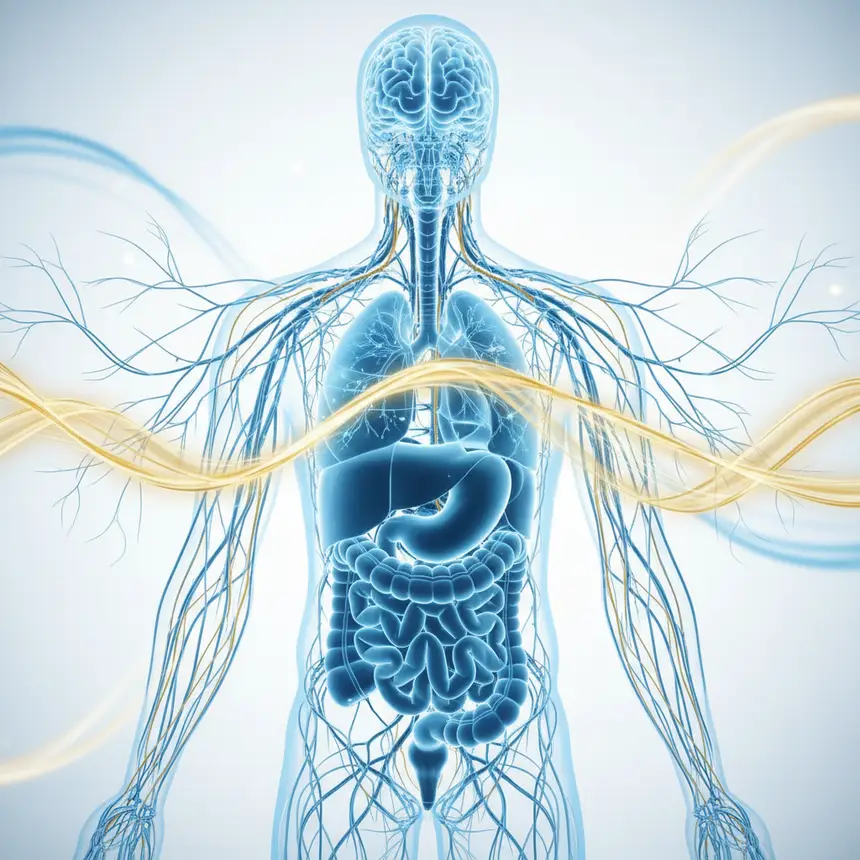
The Hidden Link: How Your Autonomic Nervous System Affects Low Blood Pressure and Fatigue
Persistent chronic fatigue and low blood pressure are not merely isolated issues concerning blood pressure readings. They are often deeply intertwined with the sophisticated 'autonomic nervous system' (ANS), which acts as the command center for countless involuntary bodily functions such as heart rate, blood pressure, digestion, and temperature regulation. A primary role of the ANS is to manage the contraction and relaxation of blood vessels, crucial for maintaining stable blood pressure.
When the ANS is imbalanced, blood vessels may struggle to adapt efficiently to changes in temperature or posture, intensifying symptoms of low blood pressure. This impaired bodily regulation can lead to suboptimal blood flow, disrupting the delivery of oxygen and nutrients to the brain and other tissues, thereby causing chronic fatigue and a pervasive lack of energy. A well-balanced ANS improves circulation, regulates the body's stress response, and ultimately enhances overall resilience and inherent vitality. True, sustainable energy emerges not from external fixes, but from restoring the body's internal regulatory capabilities.
When the ANS is imbalanced, blood vessels may struggle to adapt efficiently to changes in temperature or posture, intensifying symptoms of low blood pressure. This impaired bodily regulation can lead to suboptimal blood flow, disrupting the delivery of oxygen and nutrients to the brain and other tissues, thereby causing chronic fatigue and a pervasive lack of energy. A well-balanced ANS improves circulation, regulates the body's stress response, and ultimately enhances overall resilience and inherent vitality. True, sustainable energy emerges not from external fixes, but from restoring the body's internal regulatory capabilities.
※ This post contains affiliate links. I may earn a commission at no extra cost to you.


Your Journey to Renewed Energy: A 4-Week and 8-Week Action Guide
Improving chronic fatigue and low blood pressure is a gradual journey, not an instant fix. Consistently nurturing your body's autonomic nervous system is key to regaining vitality. Here’s a practical guide broken down by stages:
- Initial 4 Weeks: Focus on symptom relief and habit formation
- Following 8 Weeks: Sustained vitality and bodily balance

Beyond Exhaustion: Sustaining Your Revitalized Life
To those grappling with chronic fatigue, morning dizziness, and low blood pressure that has disrupted their daily lives and sapped their energy, we offer a message of hope. These symptoms are more than temporary discomforts; they are often deeply connected to the delicate balance of your body, particularly the regulatory capacity of your autonomic nervous system. What's crucial is not to blindly follow temporary fixes or generic advice, but to understand your own body and commit to consistent efforts that address the underlying causes.
Based on the practical guide provided here, start by implementing small, consistent changes in your daily life—from hydration habits and light exercise to a balanced diet. These accumulated efforts will enhance your body's resilience, ultimately empowering you to regulate your blood pressure and overcome fatigue naturally. We encourage you to break free from the grip of lethargy, reclaim a vibrant and energetic daily life, restore your self-esteem, and embrace a healthier, more fulfilling existence.
Based on the practical guide provided here, start by implementing small, consistent changes in your daily life—from hydration habits and light exercise to a balanced diet. These accumulated efforts will enhance your body's resilience, ultimately empowering you to regulate your blood pressure and overcome fatigue naturally. We encourage you to break free from the grip of lethargy, reclaim a vibrant and energetic daily life, restore your self-esteem, and embrace a healthier, more fulfilling existence.
Frequently Asked Questions
Q. Why do chronic fatigue and low blood pressure often go hand-in-hand?
A. Chronic fatigue and low blood pressure are frequently linked to an imbalance in the autonomic nervous system. The ANS regulates many bodily functions, including blood pressure. When it's out of sync, blood pressure can drop, leading to widespread fatigue and a general lack of energy.
Q. What can I do to manage severe morning dizziness?
A. Morning dizziness is often a symptom of orthostatic hypotension. Instead of jumping out of bed, try performing gentle stretches while lying down, then slowly sitting up before standing. Ensuring adequate hydration throughout the day is also crucial.
Q. Are there specific foods or nutrients that can help with low blood pressure management?
A. A balanced diet rich in essential nutrients is key for supporting healthy blood circulation and stable blood pressure. Focus on foods high in iron (like red meat and spinach), B vitamins, magnesium, and potassium. Additionally, maintaining appropriate sodium intake can be beneficial.