Experiencing shoulder discomfort? Your diet might play a role. Discover how nutrient-rich foods like berries, fatty fish, cruciferous vegetables, and nuts can help manage inflammation and support shoulder health. Learn why diet is crucial for daily shoulder pain management and get practical tips.

Shoulder Discomfort: A Silent Saboteur of Daily Life
Our shoulders are marvels of engineering, connecting our arms to our torso and enabling a vast range of motion crucial for everyday tasks. Yet, in our modern world, shoulders often bear the brunt of our lifestyles. Prolonged desk work, constant smartphone use, poor posture, and repetitive motions can place continuous strain on the surrounding muscles and joints. What might start as a mild stiffness can gradually escalate into significant discomfort, making it difficult to sleep or even get dressed. This insidious shoulder pain can restrict our activities, diminishing our quality of life and impacting not just our physical well-being but also our overall mood and mental state.
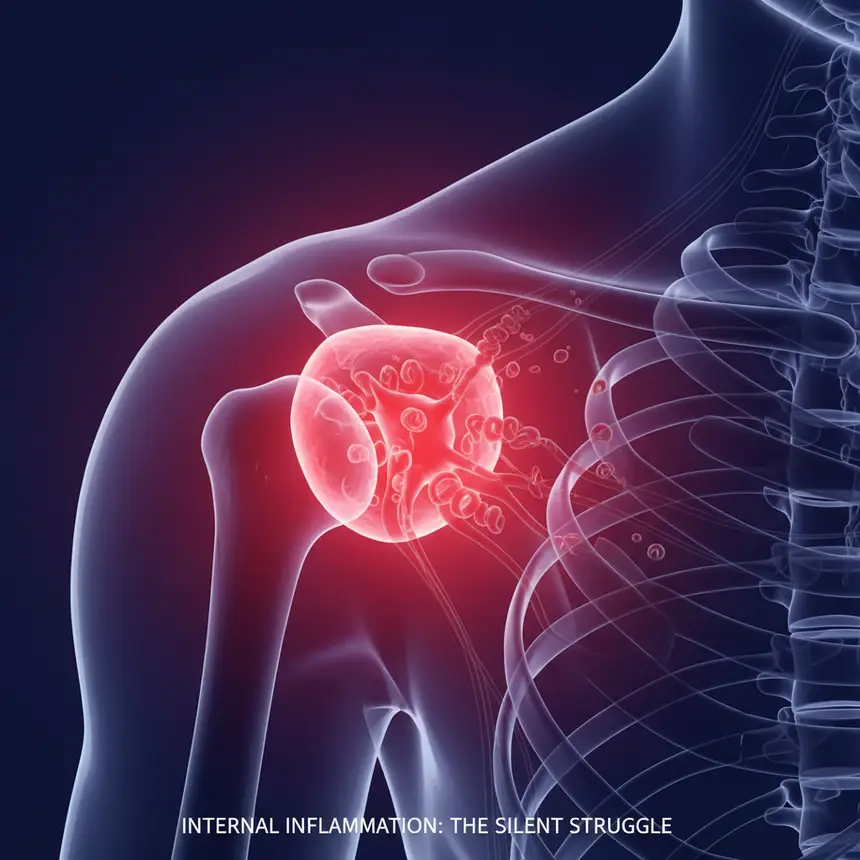
Unpacking Shoulder Discomfort: The Role of Chronic Inflammation and Lifestyle
One of the primary drivers behind persistent shoulder discomfort is often an underlying inflammatory response within the body. While inflammation is a vital protective mechanism against injury or infection, chronic inflammation can begin to damage healthy tissues and become a source of ongoing pain. The shoulder joint, with its extensive use and complex structure, is particularly susceptible to inflammatory processes. Factors such as poor posture, insufficient physical activity, high stress levels, and a diet lacking in essential nutrients can all contribute to and exacerbate this inflammatory cycle. A diet rich in processed foods, for instance, can elevate systemic inflammation, affecting not just your shoulders but your overall health. Therefore, managing shoulder health goes beyond just muscle care; it requires understanding and addressing the root causes of inflammation.
※ This post contains affiliate links. I may earn a commission at no extra cost to you.

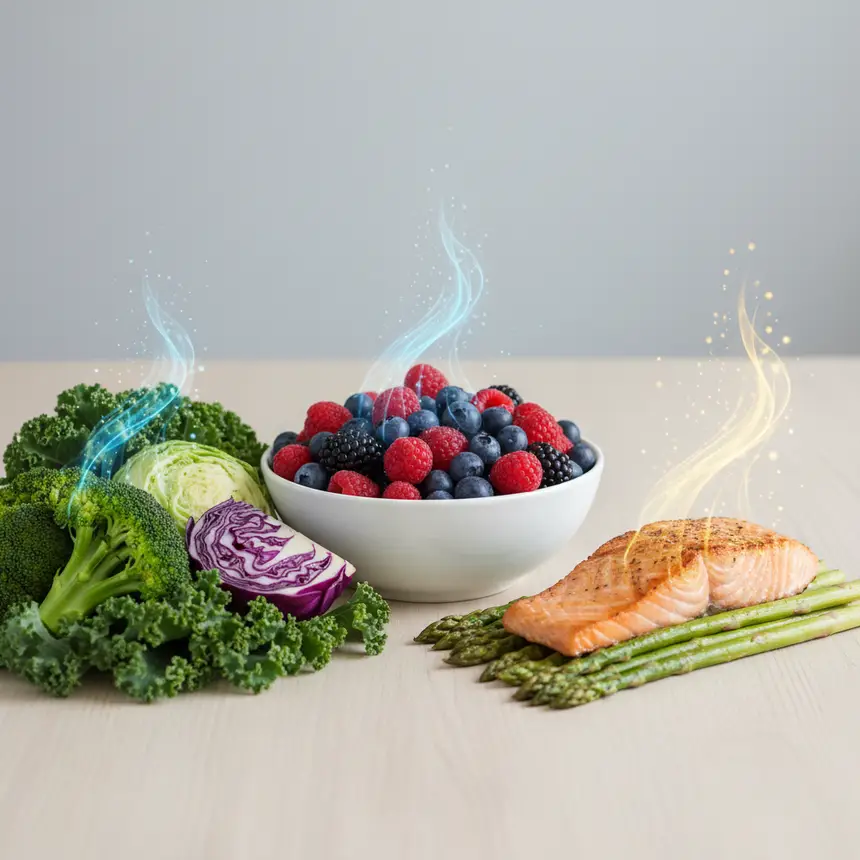
Nutritional Powerhouses for Inflammation Management and Shoulder Support
When it comes to nurturing shoulder health, your diet plays a significant role. Incorporating foods rich in specific nutrients known to modulate inflammatory responses and support bodily repair can be highly beneficial.
- Vibrant Berries: Foods like blueberries, raspberries, and cranberries are packed with anthocyanins, powerful antioxidants. These compounds help reduce oxidative stress in the body and contribute to the moderation of inflammatory processes, while also supporting cardiovascular health.
- Omega-3 Rich Foods: Fatty fish such as salmon and mackerel, along with nuts like walnuts and almonds, are excellent sources of Omega-3 fatty acids. Specifically, EPA and DHA are recognized for their potent anti-inflammatory properties. They can help alleviate joint discomfort and improve overall circulation.
- Cruciferous Vegetables: Broccoli, kale, and cabbage are examples of cruciferous vegetables that contain glucosinolates and sulforaphane. These compounds are known to activate the body's detoxification pathways and exert strong anti-inflammatory effects, thereby bolstering the body's natural defenses.

Sustained Habits for Lasting Shoulder Well-being
Achieving and maintaining shoulder health through diet isn't a quick fix; it's an ongoing journey of consistent lifestyle choices. The key is to naturally integrate foods like berries, fatty fish, cruciferous vegetables, and nuts into your regular meals. For instance, start your day by adding a handful of berries to your yogurt or oatmeal. For lunch and dinner, prioritize fatty fish and cruciferous greens as main components or side dishes. When hunger strikes between meals, reach for a handful of nuts instead of sugary snacks. Furthermore, the benefits of dietary changes are amplified when combined with adequate hydration, regular gentle stretching, and maintaining good posture. If you're experiencing severe or persistent shoulder discomfort, consulting a healthcare professional for an accurate diagnosis and personalized advice is always the smartest approach. A well-rounded diet and mindful lifestyle are the bedrock for comfortable shoulders and a vibrant, active life.
Frequently Asked Questions
Q. How long does it typically take to feel the benefits of an anti-inflammatory diet for shoulder health?
A. Dietary changes usually bring gradual positive effects through consistent practice. While individual responses vary, improvements in overall inflammatory response can often be noticed over several weeks to a few months. Combining diet with appropriate exercise and rest is also crucial.
Q. Are there any foods that are particularly bad for shoulder health or inflammation?
A. Yes, foods high in refined sugars, processed items, trans fats, and excessive consumption of red meat can contribute to or worsen inflammation in the body. It's generally advisable to limit these in your diet.
Q. Can diet alone fully resolve shoulder pain?
A. While diet is highly important for managing inflammation and promoting overall well-being, shoulder pain can have various underlying causes. Severe pain or structural issues may not be fully resolved by diet alone and absolutely require diagnosis and consultation with a medical professional.