A complete guide to understanding and managing text neck and eye strain, common modern ailments. Discover how posture correction, stretching, and lifestyle changes can lead to a more vibrant life.

H2. The Silent Signals: How Your Posture Impacts Neck and Eye Health
In our always-connected world, it's common to experience a stiff neck or persistent eye strain from prolonged screen time. Many people suffer from what's known as 'text neck' or 'straight neck' — conditions where the natural, gentle C-curve of the cervical spine straightens out. This shift from our natural neck curvature, often due to increased use of digital devices, can lead to a host of physical discomforts. The connection between compromised neck health and tired eyes is particularly strong, making it crucial to understand how these issues intertwine and affect your overall quality of life. This article will explore the link between poor posture, text neck, and eye strain, providing practical strategies you can integrate into your daily routine for better health.

H2. Modern Habits That Erase Your Neck's Natural Curve
The condition known as 'straight neck' occurs when the cervical spine loses its natural forward curve, becoming noticeably flatter. This deviation is predominantly fueled by today's prevalent lifestyle choices. The primary culprit is maintaining a forward-head posture for extended periods. Think about how long you spend looking down at your smartphone or gazing at a computer monitor. Such prolonged positions place immense stress on the neck bones, muscles, and ligaments.
Beyond screen use, several other factors contribute to the deterioration of neck health:
When these habits persist, they don't just lead to structural changes in the neck. They can manifest as chronic pain, shoulder stiffness, headaches, numb hands, decreased concentration, and significantly heightened eye strain.
Beyond screen use, several other factors contribute to the deterioration of neck health:
- Sedentary lifestyle: Slouching or leaning back excessively in a chair for long durations, leading to poor spinal alignment.
- Suboptimal ergonomics: A monitor that's too low, or a desk and chair height mismatch, forcing you to consistently bend your neck.
- Lack of physical activity: Weakens the muscles surrounding the neck and shoulders, reducing flexibility.
- Chronic stress: Mental tension often translates into physical stiffness in the neck and shoulders, impairing blood circulation and worsening posture.
When these habits persist, they don't just lead to structural changes in the neck. They can manifest as chronic pain, shoulder stiffness, headaches, numb hands, decreased concentration, and significantly heightened eye strain.
※ This post contains affiliate links. I may earn a commission at no extra cost to you.

H2. Tailored Strategies for a Healthy Neck and Comfortable Eyes
Addressing both neck health and eye strain requires a comprehensive approach to your daily habits. Here are actionable steps you can easily implement at home:
1. Maintain proper posture: Adjust your computer monitor so the top of the screen is at eye level. When seated, ensure your lower back is supported against the chair's backrest, and gently tuck your chin to align your neck. For smartphone use, try to hold your device up to eye level to avoid looking down. These adjustments significantly reduce the burden on your neck.
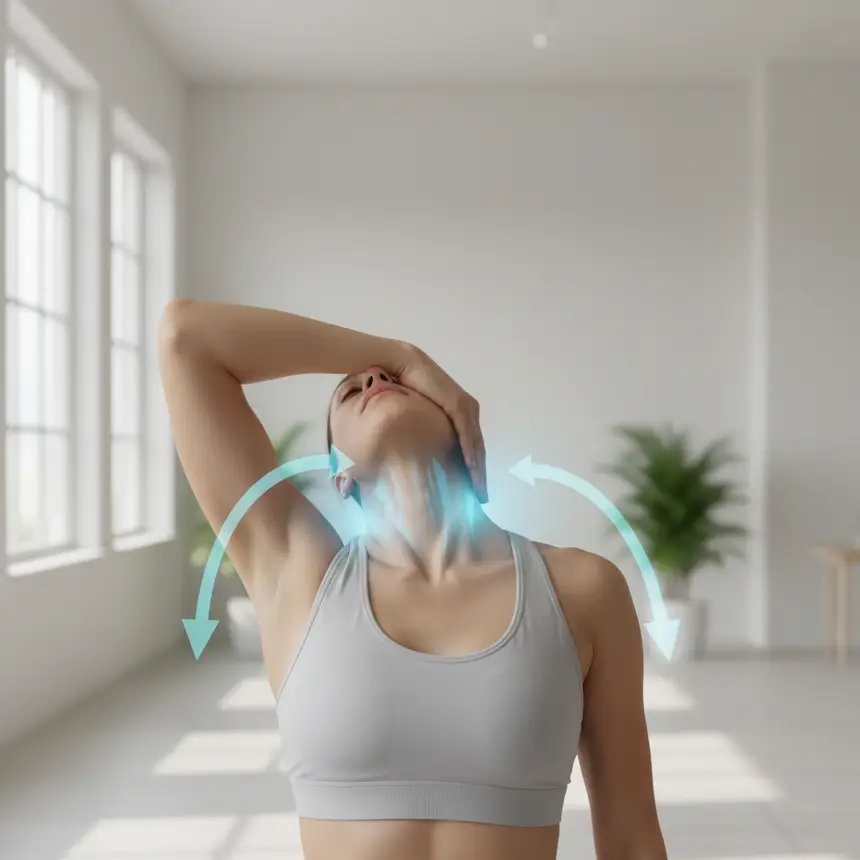
2. Regular stretching: Incorporate stretches to relax and improve the flexibility of your neck and shoulder muscles. Simple exercises like slowly turning your head from side to side, or gently tucking your chin towards your chest to stretch the back of your neck, should be performed daily. Additionally, shrug your shoulders up and down to release tension in the trapezius muscles.
3. Adequate breaks and eye exercises: Take a 5-minute break every 30 minutes to an hour from your screen, standing up to gently stretch your neck and shoulders. Include eye exercises like closing your eyes to rest them, or focusing on a distant object to reduce eye fatigue.
4. Nutrient intake and hydration: Consume plenty of antioxidant-rich fruits and vegetables to help manage inflammation. Maintaining adequate hydration by drinking enough water is crucial for healthy blood circulation. Foods rich in Vitamin A and lutein are particularly beneficial for eye health.
5. Stress management: Find what works for you to de-stress, whether it's meditation, deep breathing exercises, or a short walk. Managing stress is vital as chronic tension can lead to muscle stiffness and negatively impact your neck health.
1. Maintain proper posture: Adjust your computer monitor so the top of the screen is at eye level. When seated, ensure your lower back is supported against the chair's backrest, and gently tuck your chin to align your neck. For smartphone use, try to hold your device up to eye level to avoid looking down. These adjustments significantly reduce the burden on your neck.
2. Regular stretching: Incorporate stretches to relax and improve the flexibility of your neck and shoulder muscles. Simple exercises like slowly turning your head from side to side, or gently tucking your chin towards your chest to stretch the back of your neck, should be performed daily. Additionally, shrug your shoulders up and down to release tension in the trapezius muscles.
3. Adequate breaks and eye exercises: Take a 5-minute break every 30 minutes to an hour from your screen, standing up to gently stretch your neck and shoulders. Include eye exercises like closing your eyes to rest them, or focusing on a distant object to reduce eye fatigue.
4. Nutrient intake and hydration: Consume plenty of antioxidant-rich fruits and vegetables to help manage inflammation. Maintaining adequate hydration by drinking enough water is crucial for healthy blood circulation. Foods rich in Vitamin A and lutein are particularly beneficial for eye health.
5. Stress management: Find what works for you to de-stress, whether it's meditation, deep breathing exercises, or a short walk. Managing stress is vital as chronic tension can lead to muscle stiffness and negatively impact your neck health.
H2. Simple Daily Routines for Neck and Eye Wellness
Transforming your neck and eye health doesn't require drastic changes; it's the accumulation of small, consistent daily habits that makes a significant difference. Try integrating the following routines into your day:
By consistently practicing these routines, you'll likely notice a reduction in neck and shoulder tension, improved eye comfort, and a greater sense of energy in your daily life.
- 5-minute morning stretch: Start your day by gently rotating your neck and releasing shoulder tension. Slowly move your head side-to-side, forward-and-back, and perform gentle chin tucks.
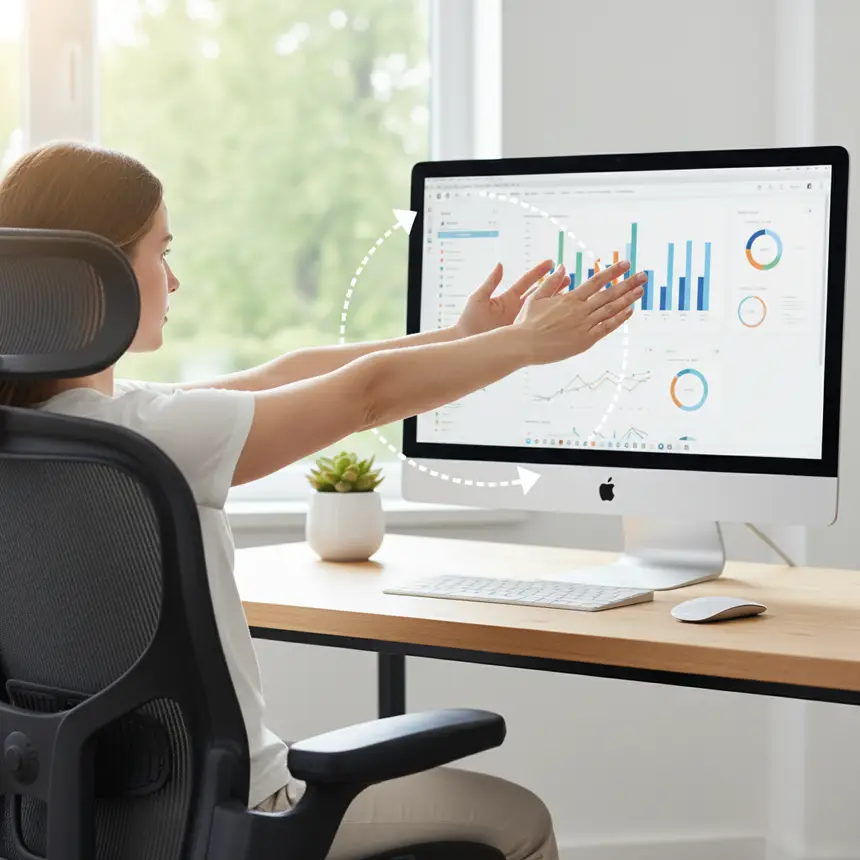
- 30-minute break intervals during work: Set a reminder to step away from your computer or phone every 30 minutes. Stand up, walk briefly, rotate your arms, or shrug your shoulders to loosen stiff muscles.
- Conscious posture checks: Throughout the day, make a conscious effort to keep your chin slightly tucked, shoulders relaxed, and spine straight when sitting or standing. Consistent conscious effort can turn into unconscious healthy habits.
- Evening relaxation: Take a warm shower to relax neck and shoulder muscles, or gently massage the area around your eyes before bed to release the day's accumulated tension and fatigue.
- Sufficient sleep: Aim for 7-8 hours of quality sleep each night. This is essential for overall muscle recovery and alleviating eye strain. Choose a pillow that supports your neck's natural C-curve for optimal comfort.
By consistently practicing these routines, you'll likely notice a reduction in neck and shoulder tension, improved eye comfort, and a greater sense of energy in your daily life.

H2. Reclaiming a Vibrant Life Through Healthy Habits
Our bodies are remarkably responsive to even minor adjustments. Years of poor posture and lifestyle choices can gradually erase the natural curve of our neck, leading to a cascade of discomforts including eye strain, headaches, and shoulder pain. Fortunately, these issues are often reversible and manageable with consistent effort and the right habits. Start today by adjusting your monitor, taking short stretch breaks every 30 minutes, and focusing on a balanced, nutrient-rich diet. While these changes might feel awkward initially, over time, your body will adapt and feel more comfortable and resilient.
Actively listening to your body and taking proactive steps toward its care is the first step toward a healthier, more vibrant life. Don't ignore the signals your neck and eyes are sending. Embrace healthy habits now to cultivate a better tomorrow.
Actively listening to your body and taking proactive steps toward its care is the first step toward a healthier, more vibrant life. Don't ignore the signals your neck and eyes are sending. Embrace healthy habits now to cultivate a better tomorrow.
Frequently Asked Questions
Q. What is text neck and what causes it?
A. Text neck refers to the straightening of the natural C-curve in your neck, often due to prolonged forward-head posture while using smartphones or computers. Other contributing factors include lack of exercise and stress.
Q. How does smartphone use impact my neck and eye health?
A. Staring down at a smartphone for extended periods puts excessive strain on your neck muscles and spine, leading to text neck. The intense focus on a small screen and reduced blinking can also cause dry eyes and significant eye strain.
Q. What can I do to reduce eye strain caused by text neck?
A. Maintaining proper neck posture is key. Additionally, take regular breaks every 30 minutes to stretch your neck and shoulders. Incorporate eye exercises like looking away at a distant object or closing your eyes for short periods to relieve eye fatigue.
Q. What healthy habits are beneficial for neck health?
A. Adjusting your monitor to eye level and maintaining good seated posture, regular stretching, consistent exercise, sufficient sleep, and a balanced diet rich in antioxidants are all crucial for optimal neck health.
Q. How often and how should I stretch my neck effectively?
A. Aim for 2-3 stretching sessions daily, holding each stretch for 10-15 seconds. Focus on gentle movements like slowly turning your head from side to side or tucking your chin to stretch the back of your neck to relieve muscle tension in the neck and shoulders.