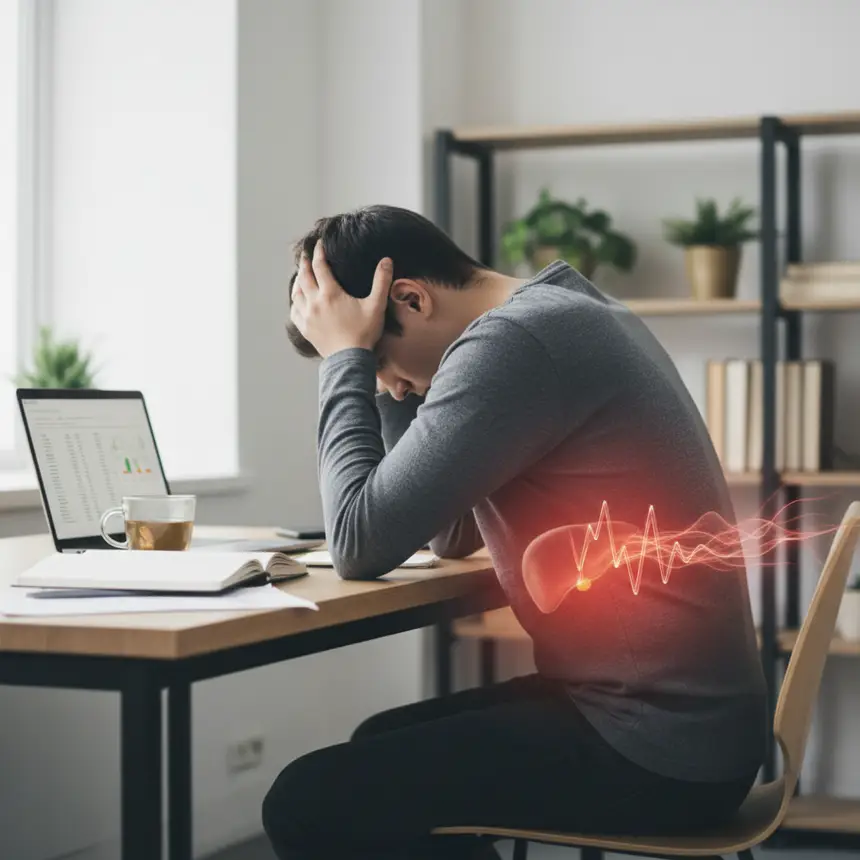
Many focus on increasing sleep duration, but true rest hinges on sleep quality. Discover objective criteria for healthy sleep and practical strategies to improve your nightly restoration. Reclaim your vibrant days with better sleep habits.

The Misconception: Sleep Duration vs. True Restoration
It's a common scenario: you spend a significant amount of time in bed, yet wake up feeling anything but refreshed. 'I slept for seven hours, so why am I still so tired?' This question resonates with countless individuals. Simply logging many hours in bed doesn't guarantee your body and mind have fully recovered. The quantity of sleep is crucial, but equally vital is its 'depth' and 'quality'. Genuine sleep is a restorative process that should enable your mental and physical functions to operate optimally the following day. To shake off fatigue and kickstart an energetic day, understanding the essence of sleep beyond mere time is crucial. Often, it's not a lack of sleep, but rather poor sleep quality, that's the real issue.

Comprehensive Criteria for Assessing Healthy Sleep
Evaluating whether you've had a truly restorative night's sleep involves more than just counting the hours. Several key indicators can provide a clearer picture, understanding signals your body sends that a clock alone can't reveal.
- Time to Fall Asleep: Aim to drift off within 10 to 30 minutes of lying down. If you consistently find yourself tossing and turning for over 30 minutes, it might signal that your nervous system is still overactive before bed.
- Nighttime Awakenings and Re-entry: Waking up once or twice briefly during the night is often normal. The crucial factor is how quickly you fall back asleep. If you can do so within 5 to 10 minutes, it's generally not a concern. However, if you're awake for 30 minutes or more, it can disrupt your sleep continuity and overall recovery.
- Morning Alertness: It's unrealistic to expect 100% morning freshness every single day. The key is whether your body fully 'wakes up' within 30 to 60 minutes of rising, allowing you to function effectively throughout the day. If you constantly battle excessive daytime sleepiness or rely heavily on caffeine to get by, it's worth assessing your sleep quality.
- Daytime Focus and Mood: Adequate sleep plays a significant role in maintaining stable concentration, emotional regulation, and appetite control throughout your waking hours. Poor sleep can impair cognitive functions, reducing productivity at work or school.
- Weekly Restoration: Perfect sleep every night is an elusive goal. If you experience a significant sense of restoration on at least three out of seven nights, you're likely maintaining a relatively healthy sleep pattern. Comprehensively assessing these criteria is essential for accurately understanding your sleep state.
※ This post contains affiliate links. I may earn a commission at no extra cost to you.


Practical Habits for Enhancing Your Sleep Quality
Our sleep is profoundly influenced by various lifestyle habits. It's essential to identify and address factors that hinder deep, restorative sleep.
- Maintain a Consistent Wake-Up Time: Sticking to a similar wake-up time, even on weekends, helps stabilize your body's internal clock (circadian rhythm). This consistency aids in falling asleep more naturally at night. Exposure to natural sunlight at the same time each morning also helps regulate your rhythm.
- Minimize Evening Stimulation: At least an hour before bedtime, try to avoid electronic devices like smartphones, computers, and TVs. Reduce exposure to bright lights and visual stimuli. Instead, unwind with a warm bath or shower, light reading, or quiet music to relax your body and mind.
- Moderate Caffeine and Alcohol Intake: Caffeine consumed late in the day and alcohol before bed can disrupt sleep and reduce its quality. While alcohol might initially induce drowsiness, it often leads to increased nighttime awakenings and prevents deeper sleep stages. It's wise to avoid them after dinner.
- Avoid Late-Night Heavy Meals: Eating large meals right before sleep can burden your digestive system, making it harder to fall into a deep sleep. Aim to finish your last meal at least 2-3 hours before bedtime. Light snacks are fine, but excessive food intake should be avoided.
- Smart Strategies for Nighttime Awakenings: If you wake up during the night, resist the urge to check the clock or your phone. Don't lie in bed for too long feeling frustrated. Instead, get out of bed for a short period, engage in a gentle, non-stimulating activity, and return to bed only when you feel sleepy again. This helps your brain associate your bed solely with sleep and rest.

Sleep: Focus on Quality Over Quantity for True Rest
Sleep is far more than just filling a time slot; it's a vital process for recharging our physical and mental energy. The feeling of having 'slept well' doesn't merely mean you've kept your eyes closed for a long time. It encompasses the time it takes to fall asleep, the frequency of nighttime awakenings and how quickly you return to sleep, and your morning vitality and daytime focus. All these elements must harmonize to achieve genuine restoration. From today, instead of solely monitoring your bedside clock, try tuning into the signals your body sends. Consistently evaluating your sleep patterns and making small, positive changes in your daily routine can significantly enhance the quality of your sleep. Ultimately, this will be a crucial first step towards improving your overall quality of life.
Frequently Asked Questions
Q. Why does it take me so long to fall asleep?
A. Difficulty falling asleep can stem from an overactive mind, stress, caffeine consumption, or using electronic devices before bed, which keep your nervous system alert. Maintaining a consistent routine and incorporating relaxation techniques like meditation or a warm, caffeine-free beverage before sleep can be helpful.
Q. What can help reduce frequent nighttime awakenings?
A. To minimize waking up during the night, focus on consistent sleep habits, optimizing your bedroom environment (making it dark, quiet, and cool), and limiting caffeine and alcohol intake in the evening. If frequent urination is an issue, try to moderate fluid intake before bed.
Q. Why do I feel tired even after sleeping in?
A. Sleep 'quality' often matters more than just the duration. If your sleep isn't deep and restorative, or if an inconsistent sleep schedule disrupts your body's natural circadian rhythm, you can still feel tired even after what seems like a long sleep. It's better to maintain a regular wake-up time, even on weekends.
Q. Can specific sleep disorders, like sleep apnea, affect my sleep quality?
A. Yes, sleep-related breathing disorders such as sleep apnea can significantly impair sleep quality by interrupting deep sleep stages and causing frequent awakenings. If you experience symptoms like loud snoring or gasping for air during sleep, it's important to consult a healthcare professional for diagnosis and management.
Q. Does the amount of sleep needed change with age?
A. While 7-9 hours of sleep is generally recommended for adults, individual needs vary greatly, and sleep patterns can shift with age. The key is finding the optimal amount of sleep that allows you to maintain peak performance and avoid daytime fatigue, ensuring you feel rested and functional.