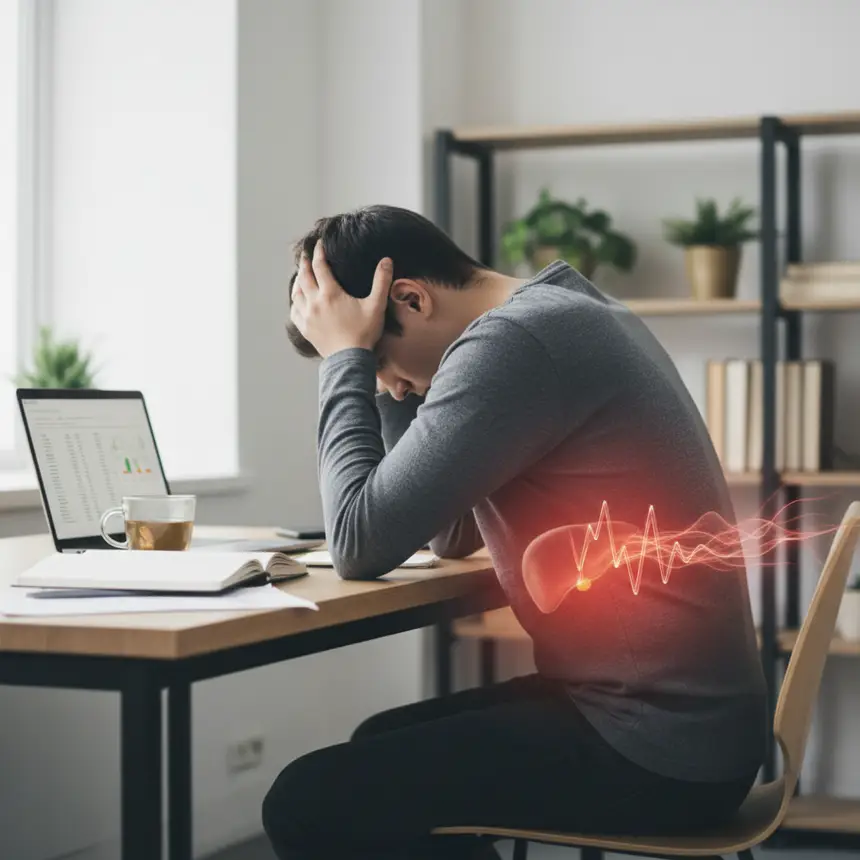
Chronic indigestion, a common modern ailment, is deeply linked to sedentary posture. Understand the connection between frequent digestive discomfort and your sitting habits, and discover effective ways to improve it in daily life.

Modern Digestive Woes: Is It Just Overeating?
In our modern world, a significant portion of our lives is spent sitting down. Whether it's at a desk in the office, commuting in a car, or relaxing at home, we're largely sedentary. This lifestyle can contribute to various health issues, and digestive discomfort is a common complaint. When you feel bloated or heavy after a meal, it's easy to assume you've simply overeaten or have indigestion. However, if these symptoms persist even when you reduce your food intake, it might indicate a deeper problem. Many individuals experience functional digestive discomfort due to reduced gastric motility, which is closely linked to prolonged sitting. Common indicators of impaired digestive function can include persistent upper abdominal tightness, feeling full quickly regardless of meal size, frequent burping or nausea, burning sensations in the chest area, excessive abdominal gas, reflux when bending forward, and chronic fatigue accompanied by ongoing digestive issues. If these discomforts persist, it's crucial to pay close attention to your digestive patterns and sitting habits.

How Sitting Posture Impacts Digestion and Strategies for Relief
The way we sit has a more profound impact on our bodies, especially our digestive system, than we often realize. A slouched or hunched posture compresses the abdomen, placing physical stress on the stomach and intestines. This can inhibit gastric motility, slow down food transit, and increase the likelihood of acid reflux. Imagine bending a garden hose; the water flow becomes restricted. This physical compression can also limit the movement of the diaphragm, which plays a vital role in breathing and, consequently, in healthy digestion. So, what specific steps can we take to alleviate these discomforts? A primary focus should be maintaining proper posture. Sitting upright with your back straight minimizes abdominal pressure, and ensuring your feet are firmly planted on the floor provides a stable base. Furthermore, instead of sitting for extended periods, make it a habit to stand up, stretch lightly, or walk for a few minutes every 30 minutes to an hour. During meals, sitting upright and chewing slowly can significantly reduce the burden on your digestive system. Incorporating exercises like yoga or Pilates that strengthen core muscles and improve overall posture can have long-term positive effects on digestive health.
※ This post contains affiliate links. I may earn a commission at no extra cost to you.


A Holistic Approach to Digestive Wellness and Sustained Management
Chronic digestive discomfort is often a complex issue that cannot be solved with just one or two quick fixes. It demands a holistic approach that encompasses not only posture correction but also dietary habits, stress management, and overall lifestyle patterns. When it comes to diet, consider eating smaller, more frequent meals, and incorporate fiber-rich foods and probiotic-containing fermented foods to support gut health. It's wise to avoid overeating, greasy foods, and excessive caffeine. Stress, too, directly impacts gastrointestinal function, making effective stress management through practices like meditation, light exercise, and sufficient sleep crucial. Since the causes and optimal solutions for digestive discomfort can vary greatly among individuals based on their body type and lifestyle, consulting a professional to create a personalized plan is often the most effective route. Consistent effort and small changes in habits will collectively contribute to restoring overall digestive system function and, in turn, enhancing your quality of life. Don't settle for discomfort; actively taking charge of your digestive health is the first step toward a healthier daily life.
Frequently Asked Questions
Q. Why do I feel bloated and uncomfortable when sitting?
A. Sitting, especially in a slouched position, compresses your abdomen, putting physical stress on your stomach and intestines. This can hinder gut motility, slow down food digestion and emptying, and lead to bloating or discomfort.
Q. How can I improve my sitting posture to alleviate digestive issues?
A. Sit with your back straight to minimize abdominal compression, and ensure your feet are flat on the floor. It's also beneficial to stand up, stretch gently, or walk for a few minutes every 30-60 minutes instead of sitting for prolonged periods.
Q. Besides posture, what other lifestyle habits can help digestion?
A. Eat smaller, more frequent meals, and include fiber-rich foods and fermented products. Managing stress (through meditation or light exercise), getting enough sleep, and chewing your food slowly are also crucial for digestive health.
Q. Should I seek professional help for persistent digestive discomfort?
A. Yes, if you experience chronic digestive discomfort, it's advisable to consult a healthcare professional. They can help identify the exact cause based on your symptoms and constitution, and develop a personalized plan for improvement.