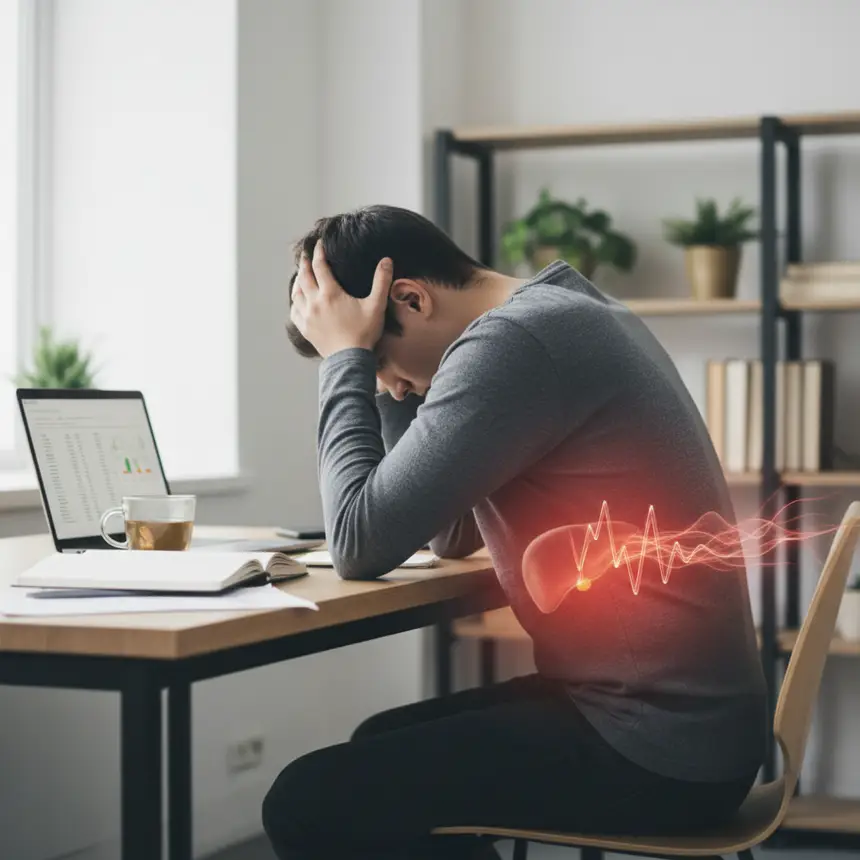
Discover effective home care strategies for managing lower back discomfort and chronic fatigue. Learn about thermal therapy, electrical muscle stimulation, and stretching to improve your back health and regain vitality.

Navigating Persistent Lower Back Discomfort and Fatigue in Modern Life
Many individuals experience nagging lower back discomfort and its resulting chronic fatigue due to various factors, such as prolonged sitting, the demands of childcare, or age-related physical changes. This stiffness around the spine is not just a posture issue; it often contributes to widespread tiredness, significantly diminishing overall quality of life. During periods of high activity, strain can accumulate, making every movement a conscious effort and leaving you feeling unrested even after ample sleep. Such discomfort can sap your daily energy and even lead to mental stress. However, tackling these challenges doesn't have to be overly complex or difficult. Fortunately, there are several simple yet effective methods you can consistently practice right at home to find relief and support.

Understanding the Roots of Back Discomfort and Principles of Effective Home Care
The primary causes of lower back discomfort are varied but are closely linked to muscle tension, poor blood circulation, and weakened core muscles. Home care methods aimed at addressing these issues can generally be categorized into three core principles:
1. Thermal Therapy for Improved Circulation: Applying warmth helps relax stiff muscles and expand blood vessels, thereby promoting better blood flow. This contributes to pain alleviation and supports the body's natural recovery processes. It's crucial to utilize customizable warmth levels to provide the most comfortable and effective heat for each individual. For instance, rapid and stable heat delivery, reaching comfortable temperatures often within the 100-110°F (38-42°C) range in a matter of seconds, can significantly aid deep relaxation.
2. Electrical Stimulation for Muscle Engagement and Relaxation: Applying mild electrical impulses to specific areas can effectively contract and relax muscles, helping to activate underused muscles or release overly tense ones. Adjustable intensity levels, often offering a dozen or more settings, allow for personalized application, reducing muscle fatigue and enhancing stability.
3. Consistent Stretching and Posture Correction: Gentle stretching routines that elongate the back can improve spinal flexibility and release tight muscles. Incorporating various movement patterns, such as 3-4 different modes, is beneficial for comprehensively managing the diverse muscles around the lower back. Additionally, coupling these practices with a conscious effort to maintain proper posture throughout daily activities is essential for achieving lasting improvement. This integrated approach is fundamental to maintaining spinal health.
1. Thermal Therapy for Improved Circulation: Applying warmth helps relax stiff muscles and expand blood vessels, thereby promoting better blood flow. This contributes to pain alleviation and supports the body's natural recovery processes. It's crucial to utilize customizable warmth levels to provide the most comfortable and effective heat for each individual. For instance, rapid and stable heat delivery, reaching comfortable temperatures often within the 100-110°F (38-42°C) range in a matter of seconds, can significantly aid deep relaxation.
2. Electrical Stimulation for Muscle Engagement and Relaxation: Applying mild electrical impulses to specific areas can effectively contract and relax muscles, helping to activate underused muscles or release overly tense ones. Adjustable intensity levels, often offering a dozen or more settings, allow for personalized application, reducing muscle fatigue and enhancing stability.
3. Consistent Stretching and Posture Correction: Gentle stretching routines that elongate the back can improve spinal flexibility and release tight muscles. Incorporating various movement patterns, such as 3-4 different modes, is beneficial for comprehensively managing the diverse muscles around the lower back. Additionally, coupling these practices with a conscious effort to maintain proper posture throughout daily activities is essential for achieving lasting improvement. This integrated approach is fundamental to maintaining spinal health.
※ This post contains affiliate links. I may earn a commission at no extra cost to you.


Your Daily Home Routine for a Healthier Back
Consistency is key when it comes to home care for back health. Developing a habit of regular, even short, daily sessions is crucial. Here's a simple routine you can easily implement at home:
1. Daily 10-15 Minute Thermal and Muscle Stimulation: In the evening, while lying comfortably, use a warm thermal function to ease tension around your lower back. Follow this with a personalized electrical muscle stimulation at an appropriate intensity to gently relax tense muscles or activate weaker core muscles. Even a brief 10-minute session daily can be highly effective, and features like automatic shut-off can add convenience.
2. Frequent Light Back Stretches: If you sit for extended periods, take 5-minute breaks every hour to stand up and perform gentle back rotations or forward bends. Light stretching upon waking or before bedtime can also help loosen up your body after sleep or relieve the day's accumulated tension.
3. Conscious Posture Maintenance: Make it a habit to keep your back straight and engage your core muscles when sitting, standing, or lifting objects. Using a lumbar support cushion can also help maintain the natural curve of your spine. These small, consistent efforts collectively contribute to long-term back health. Dedicating time to self-care for your back, even amid a busy schedule, is a vital investment in a vibrant and energetic life.
1. Daily 10-15 Minute Thermal and Muscle Stimulation: In the evening, while lying comfortably, use a warm thermal function to ease tension around your lower back. Follow this with a personalized electrical muscle stimulation at an appropriate intensity to gently relax tense muscles or activate weaker core muscles. Even a brief 10-minute session daily can be highly effective, and features like automatic shut-off can add convenience.
2. Frequent Light Back Stretches: If you sit for extended periods, take 5-minute breaks every hour to stand up and perform gentle back rotations or forward bends. Light stretching upon waking or before bedtime can also help loosen up your body after sleep or relieve the day's accumulated tension.
3. Conscious Posture Maintenance: Make it a habit to keep your back straight and engage your core muscles when sitting, standing, or lifting objects. Using a lumbar support cushion can also help maintain the natural curve of your spine. These small, consistent efforts collectively contribute to long-term back health. Dedicating time to self-care for your back, even amid a busy schedule, is a vital investment in a vibrant and energetic life.
Frequently Asked Questions
Q. How often should I perform home care for my lower back?
A. It's important to be consistent, dedicating even a short period, about 10-15 minutes, each day. While you can adjust the frequency and duration based on your personal needs and condition, regular care tends to be most effective.
Q. What is an appropriate temperature for thermal back care?
A. Generally, warm temperatures around 100-110°F (38-42°C) are beneficial for muscle relaxation and promoting blood circulation. However, individual sensitivities vary, so it's best to find a temperature that feels comfortable and effective for you.
Q. Is electrical muscle stimulation (EMS) suitable for everyone?
A. While generally safe for most, it's safest to consult with a healthcare professional before use if you have specific health conditions, such as pregnancy, heart conditions, or skin disorders. When starting, begin with the lowest intensity and gradually increase it to find what works best for you.
Q. What precautions should I take when stretching my lower back?
A. Always stretch gently and within a range that doesn't cause pain. Avoid sudden movements or applying excessive force, and focus on slow, controlled stretches while maintaining comfortable breathing. If you experience increased pain, stop immediately and rest.