Learn how to alleviate neck pain and eye strain caused by prolonged digital device use. Discover practical tips for improving posture and lifestyle habits to restore your neck health and well-being.

The Digital Shadow: Unraveling Neck and Eye Fatigue
In our screen-centric world, it's common to experience a familiar set of discomforts. That dull ache in your neck and shoulders after a long day at work, coupled with persistent eye fatigue, isn't just a minor annoyance; it's a pervasive issue ingrained in our daily lives. The continuous habit of craning your neck forward while staring at a smartphone or computer monitor can gradually flatten the natural curvature of your spine. This phenomenon, often referred to as 'tech neck' or 'text neck,' extends beyond a mere aesthetic concern. It can trigger headaches, diminish focus, and even contribute to significant eye strain, disrupting your body's overall equilibrium. Imagine a tree with a crooked trunk—its stability is compromised from the roots up. Similarly, poor posture undermines the health of your central axis, the spine, which can lead to a vicious cycle of physical discomfort and visual strain. In this article, we'll explore practical strategies to counter tech neck and the associated eye fatigue, helping you reclaim a vibrant and comfortable daily life.
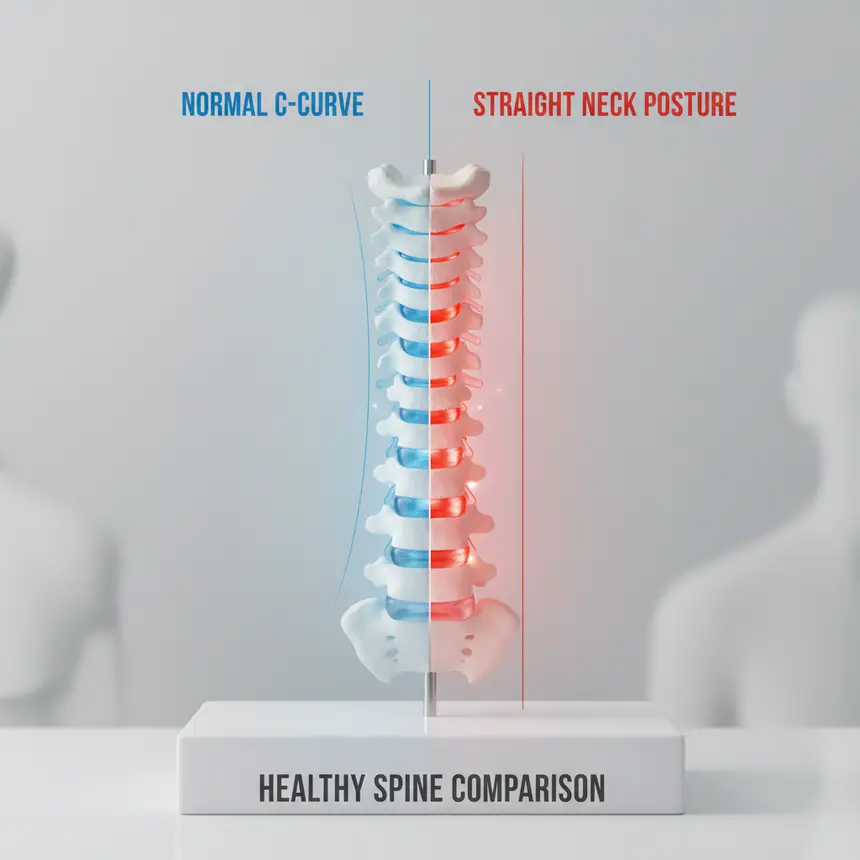
The Vital Role of Your Neck's Natural Curve
Your cervical spine naturally forms a gentle C-shaped curve, acting like a spring to absorb shock and distribute the weight of your head. However, prolonged periods of looking down or jutting your head forward can gradually diminish this essential curve, leading to a condition known as tech neck. This postural shift places excessive strain on the muscles and ligaments surrounding your neck, paving the way for a range of issues.
- Firstly, it's a major contributor to chronic neck and shoulder pain. Without the natural curve, the spine's shock-absorbing capacity decreases, causing the muscles around your neck to tense and tighten. This can escalate from simple stiffness to more serious conditions affecting the cervical discs.
- Secondly, tech neck can be a precursor to headaches and dizziness. Misalignment of the cervical vertebrae can compress nearby nerves and blood vessels, potentially restricting blood flow to the brain. This often manifests as tension headaches, migraines, or a feeling of lightheadedness.
- Thirdly, it contributes significantly to eye strain and can impact visual acuity. The tension in your neck muscles can affect nerve signals and blood supply to your eyes, intensifying fatigue and potentially leading to blurred vision or difficulty focusing over time. It can specifically hinder the relaxation of ocular muscles, impairing your ability to adjust focus.
- Finally, these discomforts can lead to reduced concentration and poorer sleep quality. Constant pain and unease elevate mental fatigue, diminishing productivity at work or school, and interfering with restorative sleep, thereby reducing overall quality of life. These seemingly minor issues can create a ripple effect, disrupting the entire balance of your body's health.
※ This post contains affiliate links. I may earn a commission at no extra cost to you.


Your Roadmap to a Healthier Neck and Eyes
Alleviating the discomfort of tech neck and associated eye strain requires consistent effort and adopting healthy habits. Here are actionable steps you can start implementing today:
1. Adjust Screen Height and Take Breaks: Position your computer monitor and smartphone at eye level to avoid looking down. Adjusting your device's placement ensures you can look straight ahead without straining your neck. Additionally, take a 5-minute break every 20-30 minutes to stretch your neck and shoulders, and look into the distance to relax your eyes.
2. Maintain Proper Posture: When seated, scoot your hips all the way back into your chair, leaning against the backrest. Adjust your chair height so your feet are flat on the floor. While standing, gently tuck your chin and expand your chest, consciously aligning your ears over your shoulders.
3. Regular Stretching Routine: Incorporate daily stretches to improve flexibility and strengthen the muscles around your neck.
5. Stay Hydrated: Drink at least eight glasses of water daily to support healthy circulation and reduce eye dryness, which can alleviate fatigue.
These small, consistent habits will significantly contribute to restoring your neck's natural curve, reducing eye strain, and promoting overall well-being.
1. Adjust Screen Height and Take Breaks: Position your computer monitor and smartphone at eye level to avoid looking down. Adjusting your device's placement ensures you can look straight ahead without straining your neck. Additionally, take a 5-minute break every 20-30 minutes to stretch your neck and shoulders, and look into the distance to relax your eyes.
2. Maintain Proper Posture: When seated, scoot your hips all the way back into your chair, leaning against the backrest. Adjust your chair height so your feet are flat on the floor. While standing, gently tuck your chin and expand your chest, consciously aligning your ears over your shoulders.
3. Regular Stretching Routine: Incorporate daily stretches to improve flexibility and strengthen the muscles around your neck.
- Gentle Neck Tilts: Slowly tilt your head side to side, holding each stretch for 15 seconds, ensuring your opposite shoulder remains down.
- Chin Tucks: Gently pull your chin towards your chest, lengthening the back of your neck for 10 seconds.
- Shoulder Shrugs: Shrug your shoulders up towards your ears, then slowly release them down, repeating 10 times.
5. Stay Hydrated: Drink at least eight glasses of water daily to support healthy circulation and reduce eye dryness, which can alleviate fatigue.
These small, consistent habits will significantly contribute to restoring your neck's natural curve, reducing eye strain, and promoting overall well-being.

Investing in Your Healthier Tomorrow
In our digital-driven world, tech neck and the resulting eye strain can seem like an inevitable part of modern life. However, these issues are often entirely manageable and can be significantly improved with consistent effort and mindful attention. Your body possesses an incredible capacity to adapt and heal, depending on how you care for it. The practices we've discussed today—maintaining correct posture, regular stretching, and smart lifestyle adjustments—are not grand or overwhelming changes. Simply pausing throughout your day to check your posture and give your neck and eyes a much-needed break can initiate profound improvements. A healthy neck isn't just about living without pain; it's a fundamental pillar for enhanced concentration, comfortable vision, and a more energetic daily existence. By embracing these healthy habits, you're not only protecting your precious neck and eyes but also making a wise investment in your overall quality of life.
Frequently Asked Questions
Q. Can tech neck resolve on its own?
A. Tech neck often results from poor posture and lifestyle habits, making it unlikely to resolve naturally without conscious effort and consistent postural correction. Expert guidance, along with regular stretching and maintaining good posture, is usually essential.
Q. Do I need to completely stop using my smartphone to prevent tech neck?
A. Rather than completely discontinuing smartphone use, adopting healthy usage habits is key. Position the screen at eye level, take frequent stretching breaks, and avoid prolonged sessions to effectively prevent tech neck.
Q. Besides eye strain, can tech neck cause other vision-related symptoms?
A. Yes, the tension in your neck muscles from tech neck can impact blood circulation and nerve function to the eyes, potentially leading to various visual discomforts such as dry eyes, blurry vision, and difficulty with focus adjustment.
Q. What are the most effective exercises for improving tech neck?
A. Stretches and exercises that strengthen and improve the flexibility of neck and shoulder muscles are highly beneficial. Chin tucks, isometric neck exercises, and shoulder rolls are good examples. It's best to consult a professional for exercises tailored to your specific needs.
Q. If tech neck is already advanced, can lifestyle changes still make a difference?
A. While lifestyle changes are very helpful in slowing progression and alleviating pain, advanced cases of tech neck may require more proactive management, including physical therapy or corrective exercises, often guided by a healthcare professional.